

What core capacity matching rules must a fully optimized Screw Production Line with Cold Heading Machine follow for maximum output efficiency
2026-10-15
For fastener manufacturing plants that pursue high throughput and low unit production cost, mismatched equipment capacity is the top hidden cause of idle downtime and wasted production potential, and YWC as a leading cold forging equipment solution provider has optimized more than 120 fastener production lines worldwide over the past decade. The Screw Production Line with Cold Heading Machine is a highly integrated system composed of wire feeding, cold forging, thread rolling, heat treatment and packaging units, and its maximum efficiency can only be unlocked when every single unit’s capacity is precisely aligned. This article breaks down the field-verified capacity matching framework that helps factories eliminate bottlenecks and boost overall output by 25% on average.
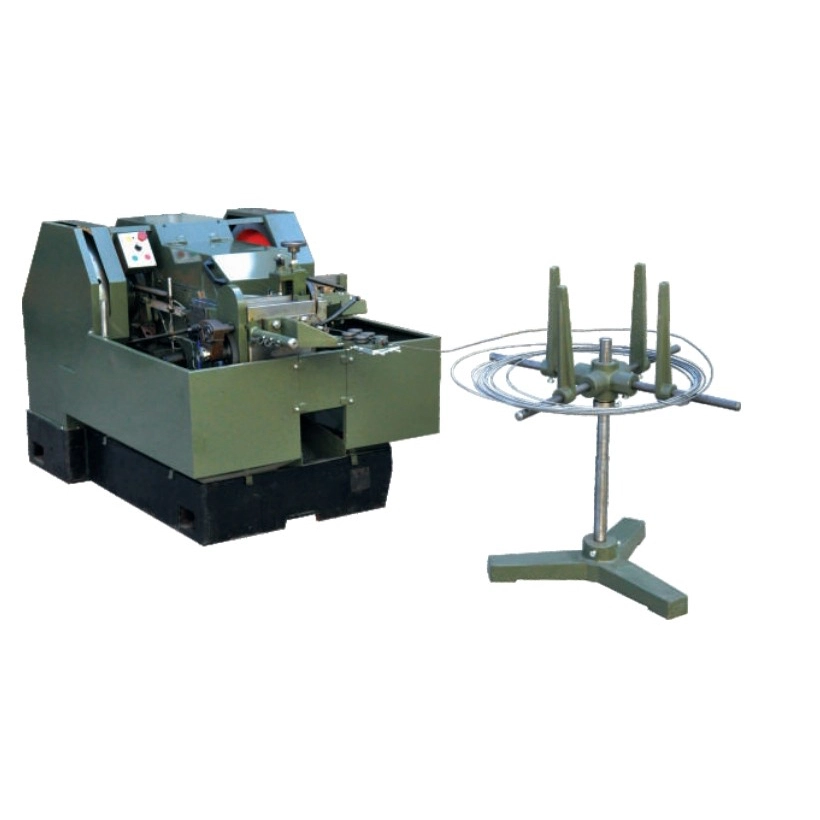
Standard Capacity Matching Benchmark
Based on YWC’s long-term production line operation data, the table below defines the recommended capacity ratio between core units of a qualified Screw Production Line with Cold Heading Machine for standard M3-M8 carbon steel screws:
| Core Unit | Rated Hourly Output | Capacity Ratio to Cold Heading Machine | Allowed Maximum Overload Margin |
|---|---|---|---|
| Wire pre-treatment unit | 2200 pcs/h | 110% | 15% |
| Cold heading forming unit | 2000 pcs/h | 100% | 10% |
| Thread rolling unit | 2100 pcs/h | 105% | 12% |
| Heat treatment & surface treatment unit | 1900 pcs/h | 95% | 8% |
| Automatic packaging unit | 2300 pcs/h | 115% | 20% |
Core Capacity Matching Rules
- Cold heading unit as the core bottleneck: The cold forging process determines the maximum upper limit of the entire line’s output. All upstream and downstream units of the Screw Production Line with Cold Heading Machine must be configured with a 5%-15% higher rated capacity than the cold heading machine, to avoid frequent material accumulation or idle waiting at the front and rear stages.
- Buffer zone setting between key processes: Install a 30-minute finished semi-product temporary storage buffer between the cold heading unit and thread rolling unit, as well as between thread rolling and heat treatment. This short-term storage space can absorb short-term 10-minute minor downtime of any single unit, preventing the entire Screw Production Line with Cold Heading Machine from stopping completely.
- Raw material feeding surplus design: The wire feeding and straightening unit must reserve at least 15% extra capacity. When producing screws with special materials such as stainless steel or alloy steel, this extra margin can compensate for the slight drop in cold heading speed, ensuring no material supply interruption.
- Lowest capacity unit priority optimization: Regularly run 72-hour continuous production tests to identify the unit with the lowest actual output. Upgrade its motor or tooling first, instead of blindly increasing the speed of the cold heading machine, to maximize the overall efficiency improvement of the entire Screw Production Line with Cold Heading Machine.
Screw Production Line with Cold Heading Machine FAQ
Q: What negative consequences will happen if the thread rolling unit’s capacity is lower than the cold heading machine?
A: The semi-finished screws forged by the cold heading machine will accumulate in large quantities before the thread rolling station, which will force the cold heading unit to stop and wait for emptying every 2-3 hours. This will reduce the overall effective operation rate of the Screw Production Line with Cold Heading Machine by more than 30%.
Q: Why is the heat treatment unit set to have a slightly lower rated capacity than the cold heading machine?
A: The heat treatment process requires a fixed minimum holding time to ensure the mechanical properties of the screws. Excessively pursuing higher heat treatment speed will lead to unqualified hardness and toughness, while a 5% capacity gap can form a stable production rhythm that avoids overloading the heat treatment furnace.
Q: Can we directly replace the old cold heading machine with a higher speed model to increase the total output of the existing line?
A: Without re-matching the capacity of upstream and downstream units, simply increasing the cold heading speed will cause severe bottlenecks at the thread rolling and heat treatment stages, resulting in a large number of unprocessed semi-finished products piling up, and cannot achieve the expected efficiency improvement of the entire Screw Production Line with Cold Heading Machine.
As a fastener equipment solution provider focused on practical production efficiency, YWC provides every customized Screw Production Line with Cold Heading Machine with a one-year free capacity optimization on-site service. Contact us today to get a free production line efficiency diagnosis report and customized capacity upgrading plan, and fully release the production potential of your factory.