

What Is a Stabilized Soil Mixing Plant?
2026-01-08
Abstract
A stabilized soil mixing plant plays a critical role in modern infrastructure construction by transforming loose or weak soil into a stable, load-bearing material suitable for roads, railways, airports, and industrial foundations. This article provides a comprehensive explanation of how a stabilized soil mixing plant works, what problems it solves for contractors and project owners, and how to evaluate equipment performance from a practical and engineering-oriented perspective. By addressing common concerns such as material consistency, environmental compliance, operational efficiency, and long-term durability, this guide aims to support informed decision-making for infrastructure projects of varying scales.
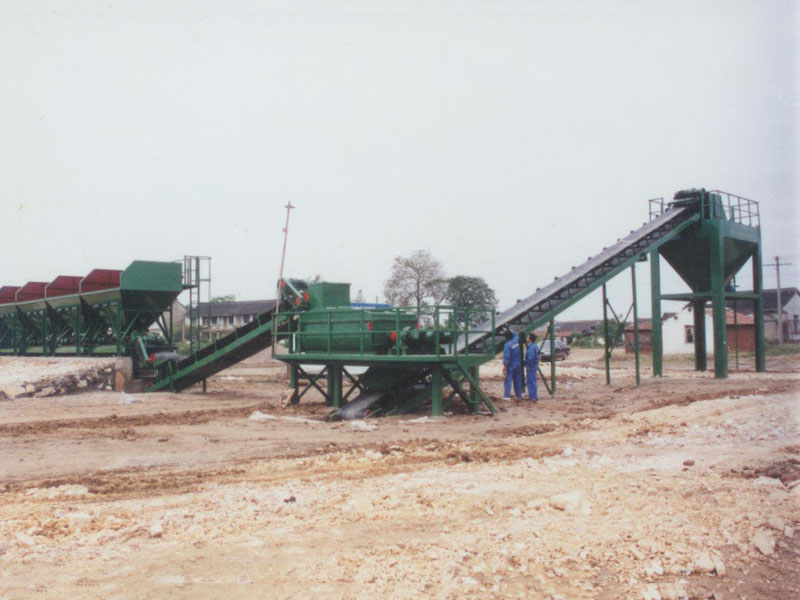
Table of Contents
- Overview of Stabilized Soil Mixing Plants
- Key Construction Challenges Addressed by Stabilized Soil Mixing
- How a Stabilized Soil Mixing Plant Works
- Main System Components and Their Functions
- Typical Applications Across Infrastructure Projects
- Technical Parameters That Influence Performance
- Operational Advantages for Contractors and Owners
- Environmental and Material Management Considerations
- Selection Guidelines for Different Project Scales
- Frequently Asked Questions
Overview of Stabilized Soil Mixing Plants
A stabilized soil mixing plant is an integrated system designed to blend natural soil with binding agents such as cement, lime, fly ash, or other additives in precise proportions. The objective is to enhance the mechanical properties of the soil, including compressive strength, water resistance, and durability. This process enables on-site or centralized production of stabilized soil that meets engineering specifications for subbase and base layers.
Compared with traditional soil replacement methods, stabilized soil mixing reduces raw material transportation, shortens construction timelines, and improves resource utilization. These advantages make the equipment increasingly relevant for large-scale infrastructure development and urban renewal projects.
Key Construction Challenges Addressed by Stabilized Soil Mixing
Infrastructure projects frequently encounter soil-related issues that compromise structural integrity and project efficiency. A stabilized soil mixing plant directly addresses several of these challenges:
- Inconsistent soil quality across construction sites
- Insufficient bearing capacity of natural subgrade
- High material transportation and disposal costs
- Difficulty maintaining uniform mixing ratios manually
- Strict project timelines and quality control requirements
By standardizing the mixing process, the plant ensures predictable material performance and minimizes rework caused by subgrade failure.
How a Stabilized Soil Mixing Plant Works
The operation begins with the feeding of raw soil into the system through loaders or conveyors. Binding agents are stored in dedicated silos and metered accurately through weighing or volumetric systems. Water is introduced to achieve the required moisture content.
All materials enter a high-efficiency mixer, where controlled blending produces a homogeneous stabilized soil mixture. The finished material is then discharged for immediate use or temporary storage, depending on project logistics. Automation systems monitor proportions, output volume, and operational status to ensure consistency throughout production.
Main System Components and Their Functions
| Component | Primary Function |
|---|---|
| Soil Feeding System | Supplies raw soil at a controlled and continuous rate |
| Binder Storage Silos | Stores cement, lime, or other stabilizing agents safely |
| Weighing and Dosing Units | Ensures precise proportioning of all materials |
| Mixing Unit | Achieves uniform blending of soil, binder, and water |
| Control System | Monitors operation parameters and production output |
Typical Applications Across Infrastructure Projects
Stabilized soil produced by these plants is widely used in various civil engineering fields. Common applications include:
- Road base and subbase layers
- Railway and metro track foundations
- Airport runway and taxiway construction
- Port, yard, and industrial park pavements
- Embankment and slope reinforcement projects
The adaptability of stabilized soil allows engineers to tailor material properties according to load requirements and environmental conditions.
Technical Parameters That Influence Performance
Several technical parameters determine the effectiveness and suitability of a stabilized soil mixing plant for a given project:
- Production capacity per hour
- Mixing uniformity and cycle time
- Accuracy of weighing and dosing systems
- Binder compatibility and flexibility
- Automation level and monitoring capability
Understanding these parameters helps project managers align equipment selection with construction demands and quality standards.
Operational Advantages for Contractors and Owners
From a practical standpoint, the use of a stabilized soil mixing plant offers measurable benefits throughout the project lifecycle:
- Improved construction quality through consistent material output
- Reduced dependence on imported aggregates
- Lower overall project costs and material waste
- Faster construction progress and scheduling predictability
- Enhanced site organization and material control
These advantages translate into stronger project outcomes and reduced long-term maintenance risks.
Environmental and Material Management Considerations
Modern stabilized soil mixing plants are designed with environmental responsibility in mind. Dust collection systems, enclosed conveyors, and optimized water usage contribute to cleaner site operations. Additionally, the ability to reuse in-situ soil reduces excavation waste and landfill dependency.
This approach aligns with sustainable construction practices while maintaining compliance with increasingly stringent regulatory requirements.
Selection Guidelines for Different Project Scales
Selecting the appropriate stabilized soil mixing plant depends on project size, duration, and material requirements. Smaller projects may prioritize mobility and quick installation, while large infrastructure developments often require high-capacity, fully automated systems.
Manufacturers such as CXTCM provide a range of configurations designed to address diverse construction scenarios, enabling contractors to match equipment capabilities with operational goals.
Frequently Asked Questions
Can stabilized soil replace traditional aggregate layers?
In many applications, stabilized soil can effectively replace or supplement traditional aggregates, provided the mix design meets engineering specifications.
Is on-site production more efficient than centralized mixing?
On-site production often reduces transportation costs and material handling time, particularly for large or remote projects.
What binders are commonly used in stabilized soil mixing?
Cement and lime are the most widely used binders, though fly ash and other additives may be incorporated based on soil conditions.
How is quality consistency maintained during operation?
Automated control systems continuously monitor material ratios, moisture content, and output volume to maintain uniform quality.
Conclusion
A stabilized soil mixing plant is more than a piece of construction equipment; it is a strategic solution for improving soil performance, controlling costs, and enhancing project reliability. By understanding its working principles, applications, and selection criteria, stakeholders can make informed decisions that support long-term infrastructure success.
CXTCM continues to develop stabilized soil mixing solutions that respond to real-world construction challenges with efficiency and reliability. To explore how the right equipment can support your next project, contact us today for professional guidance and tailored solutions.