

What Is the Maximum Capacity of a Portable Forced Action Cement Mixer
2026-06-15
When selecting a portable Forced Action Cement Mixer for a job site, one of the first questions professionals ask is about maximum capacity. BaoLai, a trusted name in concrete mixing equipment, designs portable forced action mixers that balance volume limits with mixing efficiency. Understanding these numbers helps contractors avoid overloading, ensure uniform mixes, and extend machine life.
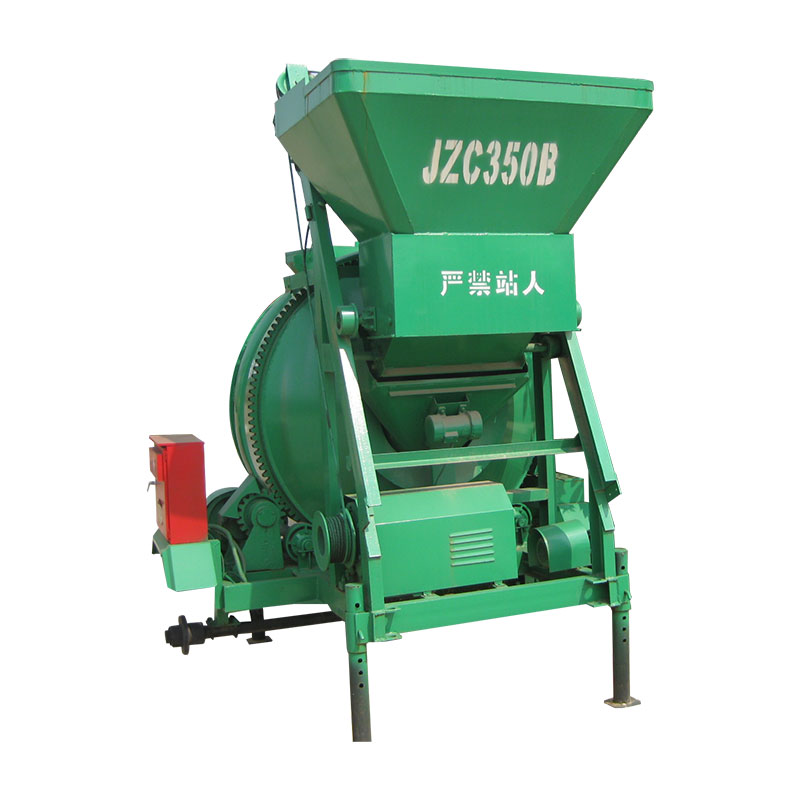
Why Capacity Matters in a Portable Forced Action Cement Mixer
Unlike gravity mixers, a Forced Action Cement Mixer uses rotating paddles or blades to physically push material. This design allows for consistent mixing of low-slump concrete, mortars, and even coloured batches. However, exceeding the rated capacity leads to incomplete mixing, motor strain, and premature wear.
Most portable units from brands like BaoLai list both wet concrete output and total drum volume. The difference is critical.
Typical Capacity Ranges
| Mixer Model Type | Total Drum Volume (L) | Max Wet Concrete Output (L) | Common Use Case |
|---|---|---|---|
| Mini portable | 80 – 120 | 60 – 90 | Tile adhesive, small repairs |
| Standard portable | 140 – 200 | 100 – 150 | General construction |
| Heavy-duty portable | 220 – 300 | 160 – 220 | High-strength concrete |
| BaoLai commercial portable | 180 – 350 | 130 – 260 | On-site precast, coloured mixes |
A 200‑liter drum does NOT mean 200 liters of finished concrete. The safe working output is roughly 70‑75% of total volume.
Key Factors That Influence True Capacity
-
Mix consistency – Dry mixes require more free space for movement.
-
Aggregate size – Larger stones need a deeper mixing zone.
-
Motor power – BaoLai portable models use 1.5–4 kW motors to handle rated loads.
-
Blade design – Reversible paddles improve mixing without increasing volume.
Forced Action Cement Mixer FAQ
Q1: Can I exceed the rated maximum capacity of my portable Forced Action Cement Mixer if I only run it for a short time?
A1: No. Exceeding the rated capacity, even briefly, forces the mixing blades to work through a denser, taller material column. This overloads the gearbox and motor. In a Forced Action Cement Mixer, the mixing action relies on a specific material-to-blade ratio. Overfilling also pushes wet concrete above the blade path, leaving unmixed material at the top. BaoLai tests each portable model to a strict wet output limit. Staying at or below 75% of total drum volume ensures consistent results and avoids voiding the warranty.
Q2: How does aggregate size affect the usable capacity of a Forced Action Cement Mixer?
A2: Large aggregates – for example, 20 mm crushed stone – need more clearance between blades and drum walls. When you use coarse aggregates, the effective working capacity drops by 10‑15%. A Forced Action Cement Mixer with a 150‑liter wet output rating should be limited to about 130 liters when mixing 20 mm stone. For aggregates above 25 mm, a larger drum or a different mixer type is recommended. BaoLai portable mixers include detailed aggregate tables in each manual, matching drum geometry to standard construction aggregates.
Q3: Does the same maximum capacity apply to dry mortar and wet concrete in a Forced Action Cement Mixer?
A3: No. Dry mortar (sand and cement with low water content) has higher internal friction and resists flow. For dry mixes, reduce the rated wet concrete capacity by 20‑25%. For example, if a BaoLai portable Forced Action Cement Mixer lists 160 liters of wet concrete output, the safe dry mortar batch is around 120‑130 liters. Wet concrete flows more easily, so the mixer can work at full wet rating. Always check your specific Forced Action Cement Mixer manual – BaoLai labels both ratings on the machine plate.
Best Practices for Maximizing Output Safely
-
Always measure materials by volume, never fill by eye.
-
Stop and check the mix every 30 seconds for the first batch.
-
Use a smaller aggregate if you need full wet capacity.
-
BaoLai recommends a digital scale for consistent sand/cement ratios.
Contact Us
Need help choosing the right portable Forced Action Cement Mixer for your production targets? BaoLai engineers can match drum size, motor power, and blade configuration to your specific materials. Contact us today for a capacity chart and a quote tailored to your job site requirements.