

What Is the Proper Maintenance Schedule for a Forced Action Concrete Mixer to Extend Its Lifespan
2026-07-06
Owning a Forced Action Concrete Mixer is a significant investment for any construction or ready‑mix operation. Unlike traditional drum mixers, these machines use a horizontal pan and rotating blades to deliver rapid, uniform mixes—but their complex mechanisms demand a disciplined maintenance routine. Without one, wear parts fail prematurely, downtime skyrockets, and the return on your investment shrinks. At BaoLai, we have spent decades engineering and servicing Forced Action Concrete Mixer units worldwide, and we know that a structured maintenance schedule is the single most effective way to double, even triple, a mixer’s service life.
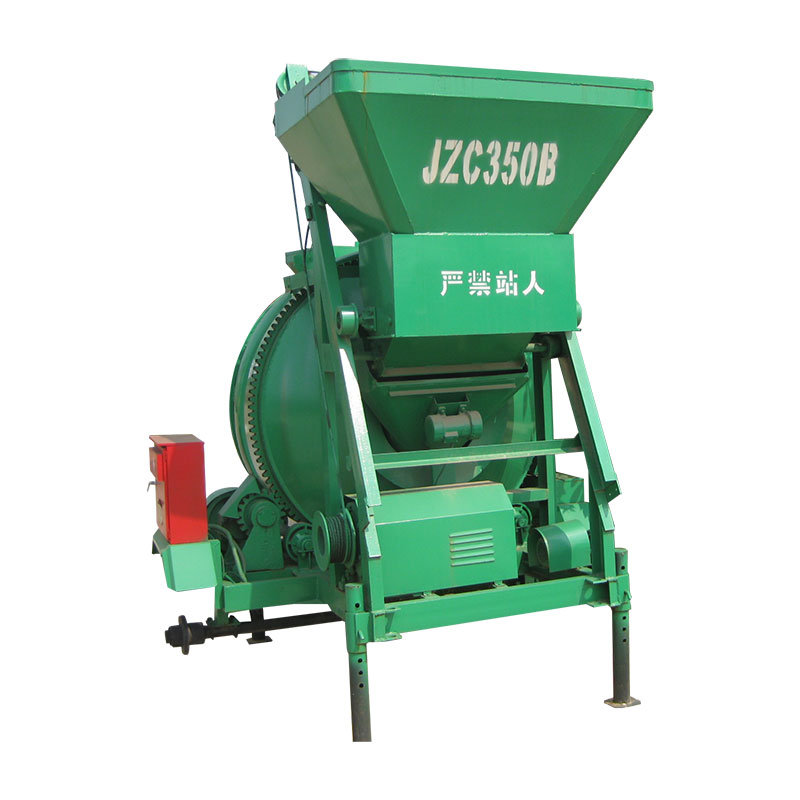
The Core Maintenance Schedule (Daily → Yearly)
The table below outlines the mandatory tasks for every Forced Action Concrete Mixer, categorized by frequency. Follow this framework, and adjust intervals based on your daily production volume (e.g., high‑output plants should shorten weekly checks to every 3 days).
| Frequency | Maintenance Task | Critical Check Point |
|---|---|---|
| Daily | Clean all residual concrete from pan, blades, and discharge chute. | Prevent hardened buildup that unbalances the rotor. |
| Daily | Inspect hydraulic oil level and sight glass for contamination. | Low or foamy oil indicates leaks or water ingress. |
| Daily | Test emergency stop and safety interlocks. | Ensure immediate blade halt in case of overload. |
| Weekly | Measure blade tip clearance (gap between blade edge and pan wall). | Standard: 5–8 mm. Worn blades increase mixing time by 15%+. |
| Weekly | Grease all pivot points and bearing housings (use lithium‑based grease). | Over‑greasing is as harmful as under‑greasing—follow manual specs. |
| Monthly | Tighten all bolted connections on the mixing arm assembly. | Vibration loosens fasteners, causing misalignment. |
| Monthly | Replace hydraulic filter element (or clean suction strainer). | Contaminated filters reduce blade torque and cause overheating. |
| Quarterly | Inspect gearbox oil condition—drain and refill if dark or metallic particles appear. | Gear wear debris accelerates pitting on drive gears. |
| Yearly | Full overhaul: replace all wear liners, blade tips, and seals. | Budget 8–10% of new machine cost for this preventive rebuild. |
Pro tip from BaoLai: Log every task with operating hours, not calendar days. A Forced Action Concrete Mixer running 16 hours/day needs weekly checks every 40 running hours, not every 7 calendar days.
Why This Schedule Extends Lifespan (The Engineering Truth)
Three factors kill a Forced Action Concrete Mixer faster than anything else: abrasion (from aggregates), corrosion (from water and chemical admixtures), and thermal fatigue (from repeated start‑stop cycles). The maintenance schedule above directly counters each:
-
Daily cleaning removes acidic paste that etches the pan’s chromium‑carbide overlay.
-
Weekly clearance checks prevent blade‑to‑pan contact, which generates frictional heat that softens the rotor shaft’s heat‑treated surface.
-
Quarterly oil changes extract microscopic ferrous particles before they circulate through the pump and motor—this single step can reduce hydraulic component failure by 70%.
At BaoLai, we design our Forced Action Concrete Mixer models with quick‑access inspection ports and color‑coded lubrication points precisely to make this schedule practical, not theoretical. A schedule that is too complex to follow is worse than no schedule at all.
Forced Action Concrete Mixer FAQ – Common Questions from Plant Managers
Q1: Can I skip the weekly blade clearance check if my mixer produces consistent concrete quality?
A1: No. Consistency in slump or strength does not indicate blade clearance. The Forced Action Concrete Mixer’s mixing action relies on a precise shear gap between the blade tips and the stationary pan. As blades wear, this gap widens; the mixer compensates by running longer cycles, which overheats the hydraulic fluid. By the time you notice a quality drop (e.g., segregated mix or elongated mixing time), the pan liner may already be scored beyond repair. Measuring clearance with a feeler gauge every 40 operating hours takes 3 minutes and costs nothing. For BaoLai users, we supply a dedicated gauge template with every new Forced Action Concrete Mixer—use it religiously.
Q2: What is the single most damaging mistake in maintaining a Forced Action Concrete Mixer?
A2: Using an incorrect grease type for the main bearing housing. Many operators use general‑purpose EP (extreme pressure) grease, which is too viscous for the high‑speed (30–40 RPM) rotor bearings of a Forced Action Concrete Mixer. This causes channeling—the grease forms a tunnel around the bearing balls, leaving metal‑on‑metal contact. The correct specification is NLGI grade 2 lithium‑complex with anti‑washout additives, applied at 2‑pump strokes per point every 8 running hours. BaoLai’s maintenance manual provides a cross‑reference chart for major brands; if you are unsure, contact our support team with your mixer’s serial number before your next greasing session.
Q3: How do I know when the pan wear liners need replacement before they fail catastrophically?
A3: Listen for a change in sound—a healthy Forced Action Concrete Mixer produces a rhythmic “swish” as blades cut through material. When liners thin below 6 mm (from an original 12 mm), the pan’s carbon‑steel backing plate becomes exposed. You will hear a higher‑pitched metallic scrape, especially during the first 30 seconds of a dry batch. Additionally, measure the liner thickness at the six o’clock position (lowest point of the pan) using an ultrasonic thickness gauge every month. If any reading falls below 5 mm, schedule a liner replacement within the next 50 operating hours. BaoLai offers pre‑machined liner kits with hardened overlay (600+ HB) that can be swapped in under 4 hours by two technicians—plan this downtime during a weekend shift to avoid production loss.
Putting It All Together – Your Action Plan
A Forced Action Concrete Mixer is not a “set and forget” machine. It is a precision tool that rewards consistent care with consistent output. The yearly overhaul may seem costly, but compare it to the cost of a new rotor assembly (often 40% of the mixer’s price) or a week of unplanned downtime—the math is clear.
BaoLai recommends creating a laminated checklist card and mounting it next to the control panel. Assign each task to a specific shift leader, and audit the logs weekly. For plants running two shifts, we also advise having a spare set of blade tips and a hydraulic filter in stock—these low‑cost items are the difference between a 15‑minute replacement and a 2‑day wait for courier delivery.
Ready to Protect Your Investment? Contact Us.
Every Forced Action Concrete Mixer has its own operating personality—load size, aggregate type, ambient temperature, and admixture chemistry all fine‑tune the schedule above. At BaoLai, we do not sell machines and walk away. We offer free maintenance audits for existing owners and customized scheduling templates based on your production logs. Whether you need genuine spare parts, remote diagnostics, or on‑site training for your team, our service engineers are one call away.
Contact BaoLai today – send your mixer model and monthly output to our service desk, and we will return a tailored 12‑month maintenance calendar within 24 hours. Protect your Forced Action Concrete Mixer now, and it will protect your profits for years to come.