

What Maintenance Tips Keep Your GD3 Diaphragm Compressor Running Efficiently
2026-10-30
Keeping a GD3 Diaphragm Compressor in peak condition requires more than routine checks—it demands a structured maintenance strategy built on manufacturer guidance and real operating data. At Jinding, we have supported hundreds of high-pressure diaphragm compressor installations across hydrogen, petrochemical, and research applications. The following maintenance practices reflect what we have learned from field service records and customer feedback, and they are designed to help your GD3 Diaphragm Compressor deliver consistent, oil-free performance over its full service life.
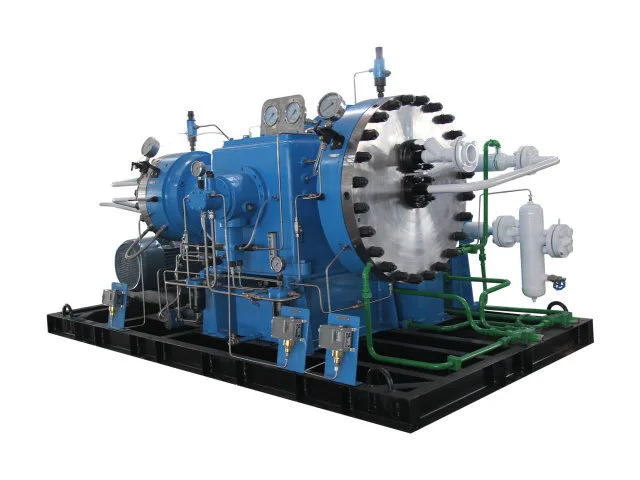
1. Establish a Daily and Weekly Inspection Routine
Operators should verify suction and discharge pressures, monitor oil pressure in the hydraulic system, and listen for abnormal noise or vibration. A simple log sheet prevents small deviations from becoming costly failures.
| Inspection Item | Frequency | Acceptable Condition |
|---|---|---|
| Hydraulic oil pressure | Daily | Within Jinding specification range |
| Diaphragm leakage indicator | Daily | No alarm or visible oil trace |
| Cooling water flow and temperature | Weekly | Stable, within design limits |
| Valve and fitting tightness | Weekly | No leaks or loose connections |
| Oil filter differential pressure | Monthly | Below replacement threshold |
2. Replace Diaphragms and Consumables on Schedule
The diaphragm is the heart of any GD3 Diaphragm Compressor. Even minor damage can cause gas contamination or hydraulic oil carryover. Jinding recommends replacing diaphragms at the interval stated in the service manual, or immediately after any overpressure event. Oil filters, gas valves, and O-rings should follow the same disciplined replacement schedule.
3. Monitor Hydraulic Oil Quality
Hydraulic oil quality directly affects diaphragm life. Check oil color, viscosity, and contamination every three months. Water ingress or particulate buildup accelerates diaphragm fatigue. Use only Jinding-approved lubricants to protect warranty coverage and performance.
4. Maintain Cooling and Ventilation
Poor cooling raises diaphragm temperature and shortens service life. Clean heat exchangers, confirm fan operation, and keep the compressor room well ventilated. In hydrogen service, proper ventilation also supports safety compliance.
5. Keep Spare Parts and Service Records
Stock critical spares—diaphragms, valves, filters, and seals—to reduce downtime. Maintain detailed service records so Jinding technicians can diagnose issues quickly and recommend the right corrective action.
Frequently Asked Questions
How often should the diaphragm in a GD3 Diaphragm Compressor be replaced?
Replacement intervals depend on operating pressure, gas purity, and cycle frequency; most users replace diaphragms every 4,000 to 8,000 operating hours, and Jinding recommends following the manual schedule and inspecting the diaphragm whenever hydraulic pressure fluctuates.
What causes hydraulic oil to appear in the gas discharge of a GD3 Diaphragm Compressor?
Oil carryover usually indicates diaphragm rupture, worn seals, or excessive hydraulic pressure, so stop the unit immediately, inspect the diaphragm and sealing surfaces, replace damaged parts with Jinding genuine components, and verify oil pressure settings before restarting.
Can I use non-original parts in my GD3 Diaphragm Compressor without affecting performance?
Non-original parts may fit physically but often differ in material and tolerance, which can reduce diaphragm life, compromise gas purity, and void warranty coverage; Jinding recommends genuine parts to maintain efficiency and safety.
Contact Us
Protect your investment with expert support from Jinding. Contact our service team today for a customized maintenance plan, genuine spare parts, and technical guidance for your GD3 Diaphragm Compressor.