
What Safety and Environmental Standards Apply to the Operation of a Carbon Fabric Melt Blown Laminating Machine
2026-05-21
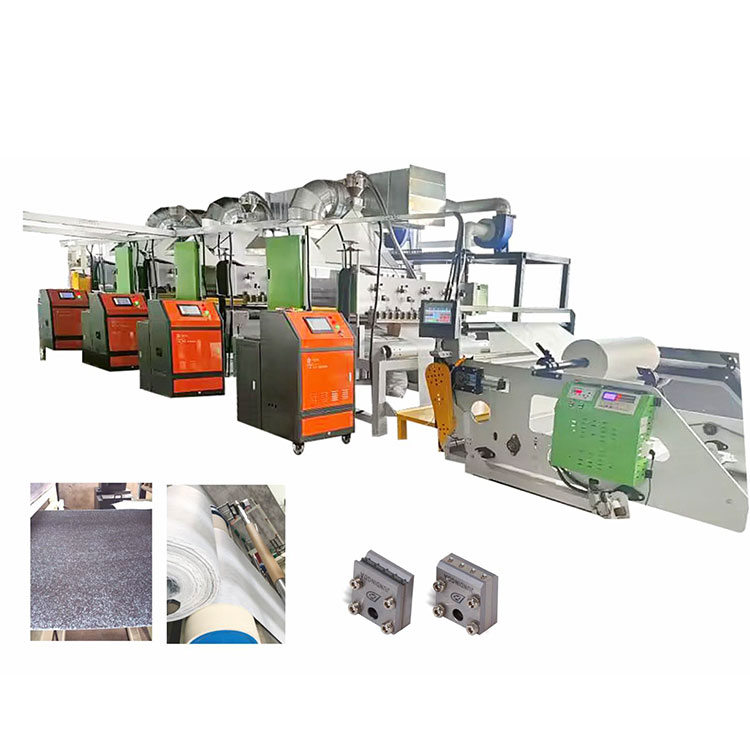
Operating a Carbon Fabric Melt Blown Laminating Machine requires strict adherence to both safety protocols and environmental regulations. These standards ensure worker protection, emission control, and sustainable production. Jundingda, a trusted name in nonwoven lamination technology, integrates these standards directly into its equipment design. Below is a detailed breakdown of the applicable standards and common operational questions.
Key Safety Standards for Operation
| Standard Code | Scope | Application in Carbon Fabric Melt Blown Laminating Machine |
|---|---|---|
| ISO 12100 | Risk assessment and risk reduction | Machine guarding, emergency stops, and operator training protocols |
| EN 60204-1 | Electrical safety of machinery | Wiring insulation, grounding, and overcurrent protection |
| OSHA 1910.212 | General machine guarding | Protection from moving rollers, nip points, and hot melt systems |
| ATEX 137 | Explosive atmospheres | Required when processing carbon dust or flammable residual gases |
Environmental Compliance Requirements
| Regulation | Environmental Focus | Relevant to Carbon Fabric Melt Blown Laminating Machine |
|---|---|---|
| EU 2019/1021 | Persistent organic pollutants | Limits release of carbon fiber fragments and melt‑blown additives |
| Clean Air Act (USA) | Air emission control | Captures volatile organic compounds from heated adhesives |
| REACH (EC 1907/2006) | Chemical registration | Applies to activated carbon coatings and flame retardants |
| ISO 14001 | Environmental management system | Requires documented waste handling and energy efficiency measures |
Jundingda machines are pre‑configured to meet these standards, including sealed melt zones and HEPA‑filtered exhaust ports. Routine audits verify continued compliance during high‑volume production.
Carbon Fabric Melt Blown Laminating Machine FAQ
Q1: What personal protective equipment (PPE) is mandatory when operating a Carbon Fabric Melt Blown Laminating Machine?
A: Operators must wear heat‑resistant gloves (rated above 200°C), safety goggles with side shields, anti‑static lab coats, and respiratory protection if fine carbon particles become airborne. Additionally, steel‑toe boots guard against falling composite rolls. Jundingda recommends a fit‑tested N95 or higher respirator when handling unbound carbon fabric. Machine training includes a step‑by‑step PPE checklist before each shift.
Q2: How does the machine control airborne carbon fiber emissions during lamination?
A: A Carbon Fabric Melt Blown Laminating Machine from Jundingda features a closed material path and local exhaust ventilation (LEV) positioned at the unwind and rewinding stations. The melt‑blown adhesive system uses low‑fuming polymers. Real‑time particulate monitors trigger an automatic shutdown if emissions exceed 0.5 mg/m³. Filters are replaced every 200 operating hours to maintain containment efficiency above 99%.
Q3: Can the machine process recycled carbon fabric without violating environmental permits?
A: Yes, but only if the recycled carbon fabric is certified free of heavy metals or halogenated coatings. Many environmental permits require a documented chain of custody for recycled input materials. Jundingda provides a retrofit ecosensor that scans incoming rolls for restricted substances. Operators must log batch numbers in the integrated compliance software. Failure to do so may void ISO 14001 certification.
Best Practices for Compliance
-
Perform weekly leak checks on all hot‑melt adhesive lines.
-
Calibrate temperature controllers quarterly to prevent thermal degradation of carbon fibers.
-
Dispose of used melt‑blown nozzles and carbon trim waste as hazardous or industrial waste per local laws.
-
Maintain a Carbon Fabric Melt Blown Laminating Machine logbook covering safety inspections, filter changes, and emission readings.
Adopting these measures not only reduces liability but also extends machine lifespan and product consistency.
Contact us today to request a compliance audit checklist or to schedule a virtual demonstration of Jundingda’s latest Carbon Fabric Melt Blown Laminating Machine. Our engineers help you align production with ISO, OSHA, and EU environmental standards from day one. Reach out via our website or email [email protected] for a customized safety integration plan.