

What Standards and Tests Apply to Neutral Grounding Reactor Installation and Maintenance
2026-10-28
A Neutral Grounding Reactor is a critical component for controlling ground fault current in medium-voltage and high-voltage power systems, and its reliability depends heavily on correct installation and routine testing. At Yulan, we design and manufacture Neutral Grounding Reactor solutions that meet international standards, and this guide summarizes the key codes, inspections, and maintenance tests engineers should follow.
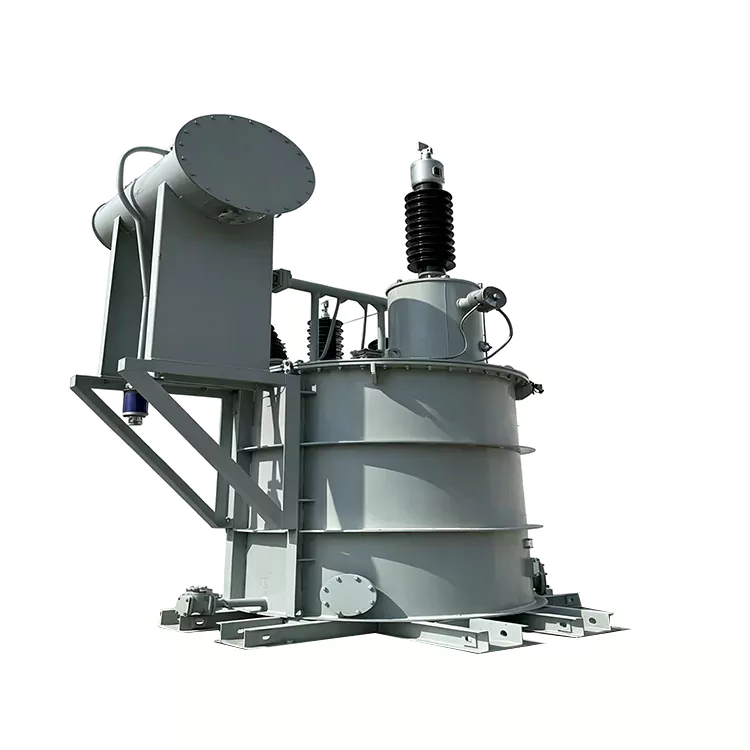
Key Standards for Installation and Design
Compliance starts with the right reference framework. The most commonly applied standards include:
-
IEEE C57.21 – Requirements for shunt reactors, including insulation and loss testing.
-
IEC 60076-6 – Reactors, covering design, temperature rise, and dielectric performance.
-
IEEE 142 (Green Book) – Grounding of industrial and commercial power systems.
-
IEC 61936-1 – Power installations exceeding 1 kV AC.
-
Local grid codes – Utility-specific requirements for neutral grounding.
| Standard | Scope | Relevance to Neutral Grounding Reactor |
|---|---|---|
| IEEE C57.21 | Shunt reactor testing | Insulation, losses, temperature rise |
| IEC 60076-6 | Reactor design | Dielectric and thermal performance |
| IEEE 142 | System grounding | Application and sizing guidance |
| IEC 61936-1 | HV installations | Installation safety requirements |
Installation Checks
Before energization, verify the following:
-
Nameplate and rating match the system voltage, fault current, and duration.
-
Insulation resistance of windings and bushings meets specification.
-
Neutral connection is correctly bonded and protected.
-
Cooling and ventilation are adequate for the reactor enclosure.
-
Protection settings (overcurrent, overvoltage, thermal) are coordinated.
Maintenance and Periodic Tests
| Test | Frequency | Purpose |
|---|---|---|
| Insulation resistance | Annual | Detect moisture or degradation |
| Winding resistance | 1–3 years | Identify loose connections |
| Dielectric loss (tan δ) | 2–3 years | Assess insulation health |
| Temperature rise check | Per schedule | Confirm thermal margin |
| Visual and thermal inspection | Annual | Detect hotspots and corrosion |
Yulan recommends documenting every test result to build a trend baseline, which improves fault prediction and extends equipment life.
FAQ
Q: How often should a Neutral Grounding Reactor be tested?
A: Perform insulation resistance and visual inspections annually, winding resistance and dielectric loss tests every two to three years, and full routine tests after any repair or relocation.
Q: What is the most common cause of Neutral Grounding Reactor failure?
A: Insulation degradation from moisture, contamination, and sustained overvoltage is the leading cause, followed by loose neutral connections and inadequate cooling.
Q: Can a Neutral Grounding Reactor be installed outdoors?
A: Yes, provided the enclosure rating, bushings, and anti-corrosion treatment suit the environment, and clearances follow IEC 61936-1 or local utility requirements.
Following these standards and test schedules ensures safe, long-term performance. Contact Yulan today to discuss compliant Neutral Grounding Reactor selection, testing support, and maintenance planning for your project.