

Article Summary: An electrophoresis production line is an integrated coating system that uses an electric field to deposit charged paint particles onto conductive workpieces. Commonly used in automotive manufacturing, metal fabrication, appliance production, and industrial component finishing, electrophoretic coating can provide uniform coverage and effective corrosion protection when the process is properly controlled. This guide explains the main production stages, equipment configuration, pretreatment requirements, bath management, curing, automation, and maintenance. It also outlines practical considerations for selecting an electrophoresis production line that matches product geometry, production capacity, quality expectations, available factory space, and long-term operating costs.
Who should read this guide? Factory owners, production engineers, coating specialists, procurement managers, and manufacturers planning to install, upgrade, or optimize an industrial electrophoretic coating system.
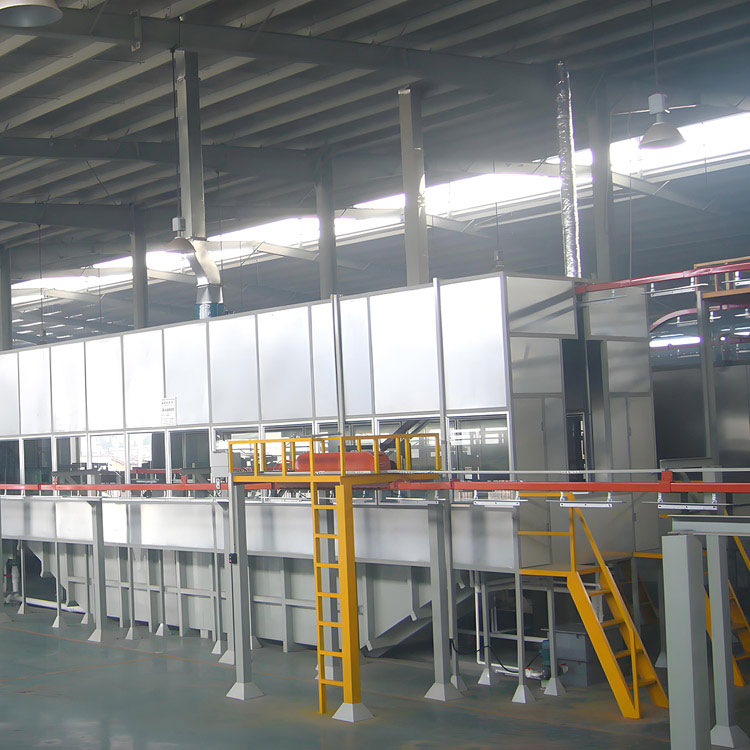
1. Understanding an Electrophoresis Production Line
Surface finishing is more than a cosmetic step in manufacturing. A coating must protect the underlying material, maintain a consistent appearance, resist environmental exposure, and meet the quality requirements of the finished product. For manufacturers processing large volumes of metal components, achieving these results manually can be difficult, particularly when workpieces have complex shapes, narrow cavities, or recessed areas.
An electrophoresis production line, also known as an electrocoating or e-coating line, addresses these challenges by using an electrically driven deposition process. Conductive workpieces are immersed in a specially formulated coating bath, and a controlled electrical potential causes paint particles to deposit on their surfaces.
Compared with many conventional spray-coating operations, electrophoretic coating can provide excellent coverage on complex geometries and repeatable film formation. However, the results depend on more than the coating tank. Pretreatment quality, bath chemistry, electrical control, rinsing, curing, conveyor design, and process monitoring must all work together.
Consistent Surface Protection
Controlled deposition can create a uniform protective film on suitable conductive components.
Complex Geometry Coverage
The immersion process can reach many recessed areas that are difficult to coat consistently with conventional spraying.
Repeatable Production
Automated control of key process parameters helps reduce variation between batches.
Integrated Manufacturing
Pretreatment, coating, rinsing, curing, and conveying can be coordinated within one production system.
2. How Electrophoretic Coating Works
Electrophoretic coating uses an aqueous paint bath containing charged coating particles. When a conductive workpiece is connected to the appropriate electrical circuit and immersed in the bath, an electric field drives the deposition process. The coating chemistry determines whether the system operates through anodic or cathodic electrocoating.
Step 1: Prepare a Clean, Conductive Surface
Oil, grease, dust, oxide layers, and other contaminants can interfere with coating adhesion and uniformity. Workpieces therefore pass through suitable cleaning and pretreatment stages before entering the coating tank. Depending on the substrate and product requirements, pretreatment may include degreasing, rinsing, surface conditioning, and conversion coating.
Step 2: Immerse the Workpiece in the Coating Bath
The cleaned component enters the electrophoretic bath through a conveyor or handling system. The workpiece must make reliable electrical contact, and its orientation should allow air to escape from cavities while enabling the bath to reach the surfaces that require coating.
Step 3: Apply Controlled Electrical Potential
A rectifier supplies the electrical potential needed for deposition. Charged paint particles move under the influence of the electric field and form a coating on the workpiece. The deposition behavior depends on voltage, immersion time, bath composition, temperature, conductivity, and the characteristics of the coating formulation.
Step 4: Rinse Away Excess Paint
After deposition, the workpiece is removed from the bath and passes through a suitable rinsing process. Rinsing removes excess coating material that has not become part of the deposited film. Depending on the system design, ultrafiltration permeate may be used to recover usable coating material and support bath management.
Step 5: Cure the Coating
The coated workpiece enters a curing oven where the film develops its specified final properties. The required temperature and duration depend on the coating formulation, component mass, geometry, and oven performance. The actual part temperature and time at temperature are more meaningful than the oven setpoint alone.
3. Main Production Stages in an Electrophoresis Line
A well-planned production line follows a logical sequence from incoming workpieces to finished coated products. The precise arrangement depends on the substrate, coating system, cleanliness requirements, production volume, and factory layout.
3.1 Loading and Conveying
Components are mounted on suitable racks, fixtures, or conveyor carriers. Fixture design must provide reliable electrical contact, stable workpiece positioning, drainage, and access for pretreatment liquids and coating materials. Poor loading practices can create contact failures, trapped air, and inconsistent coverage.
3.2 Cleaning and Pretreatment
Cleaning removes contaminants that could undermine adhesion. Additional pretreatment steps prepare the surface for the coating system and may improve corrosion resistance. Process selection should match the metal substrate, incoming surface condition, and required finished performance.
3.3 Electrophoretic Deposition
The coating tank contains the formulated bath, circulation equipment, temperature controls, electrical connections, and monitoring instruments. The system must maintain suitable bath conditions while supporting consistent immersion and withdrawal of workpieces.
3.4 Post-Coating Rinsing
Rinsing removes excess deposited material and improves the final surface appearance. Poor rinsing can leave visible marks, residues, or uneven surface conditions. Rinse-water quality, spray coverage, drainage, and the condition of recovery systems should be monitored.
3.5 Curing and Cooling
The oven supplies the thermal conditions needed for the coating to develop its specified properties. Conveyor speed, oven airflow, temperature uniformity, and workpiece mass all influence curing. Components should be handled according to the coating supplier's recommended process window after leaving the oven.
3.6 Inspection and Unloading
Finished products are inspected for film thickness, appearance, adhesion, and other specified properties. Depending on the application, testing may also include corrosion resistance, curing verification, and electrical or mechanical performance checks. Inspection results should be recorded to support process improvement.
| Production Stage | Main Objective | Important Control Points |
|---|---|---|
| Loading | Position and electrically connect workpieces. | Fixture design, spacing, contact reliability, and drainage. |
| Pretreatment | Prepare a clean, coating-compatible surface. | Cleaning effectiveness, bath conditions, rinsing, and surface quality. |
| Electrophoresis | Deposit the coating film. | Voltage, time, temperature, conductivity, and bath composition. |
| Rinsing | Remove excess coating material. | Rinse quality, flow distribution, drainage, and recovery efficiency. |
| Curing | Develop the specified coating properties. | Part temperature, dwell time, airflow, and oven uniformity. |
| Inspection | Verify finished-product quality. | Film thickness, appearance, adhesion, and application-specific tests. |
4. Essential Equipment and Their Functions
An electrophoresis production line is an integrated system rather than a single coating tank. Each subsystem contributes to product quality, throughput, process stability, or environmental control.
Coating Tank and Circulation System
The coating tank provides the required immersion volume and supports the electrical deposition process. Circulation equipment helps maintain bath uniformity and appropriate operating conditions. Tank geometry, materials, access points, and cleaning provisions should be evaluated against the coating formulation and production requirements.
Rectifier and Electrical Control
The rectifier supplies controlled direct current for deposition. The electrical system must match the process requirements and provide suitable monitoring and protection. Stable electrical connections are essential because inconsistent contact can cause coating variation or incomplete deposition.
Pretreatment Tanks and Rinse Stations
These stations prepare the substrate and remove process residues. Their number and configuration depend on the required pretreatment sequence, substrate type, contamination level, and applicable quality specifications.
Ultrafiltration and Recovery Equipment
Where incorporated, ultrafiltration separates a portion of the liquid phase from the circulating coating bath. The resulting permeate can support rinsing and coating-material recovery within a properly designed system. Membrane condition, operating pressure, flow, and cleaning procedures influence performance.
Conveyor and Handling Equipment
Conveyors coordinate movement through each stage. The system must accommodate component dimensions, total suspended load, line speed, immersion requirements, and production scheduling. Incorrect conveyor design can lead to bottlenecks, poor drainage, or inconsistent processing time.
Curing Oven and Temperature Monitoring
The oven must provide the thermal profile required by the selected coating. Temperature monitoring should reflect actual production conditions, including the behavior of representative workpieces rather than relying exclusively on empty-oven readings.
Process Monitoring and Wastewater Treatment
Monitoring instruments help operators track bath conditions and identify deviations. Depending on the installation, wastewater treatment may also be needed to manage rinse water, cleaning solutions, and other process streams in accordance with local requirements.
5. Key Benefits of an Electrophoresis Production Line
Uniform Coverage on Complex Components
Because the workpiece is immersed in the coating bath, electrophoretic deposition can cover many recessed and irregular surfaces that are difficult to reach with conventional spray methods. Actual coverage depends on electrical shielding, part geometry, air entrapment, bath conditions, and the system configuration.
Reliable Corrosion Protection
When the substrate is properly prepared and the coating is correctly deposited and cured, electrophoretic coatings can provide effective corrosion protection. The final result depends on the coating chemistry, film thickness, substrate, pretreatment, and the environmental conditions to which the product will be exposed.
Repeatable Process Control
Automated conveyors, controlled electrical parameters, bath monitoring, and documented curing conditions help reduce operator-dependent variation. Repeatability is especially valuable for manufacturers producing large quantities of similar components.
Efficient Coating-Material Use
Suitable recovery and ultrafiltration arrangements can help reduce coating-material losses during rinsing. Actual savings depend on equipment design, operating discipline, bath management, and the characteristics of the coating formulation.
Integration with High-Volume Production
Conveyorized lines can link coating operations with upstream manufacturing and downstream assembly. A properly balanced line reduces unnecessary handling and supports a more predictable production schedule.
Potential Improvements in Workplace Consistency
Immersion coating can reduce dependence on manual spray application for suitable products. However, chemical handling, electrical equipment, ventilation, oven operation, and wastewater management still require appropriate engineering controls and trained personnel.
6. Industrial Applications of Electrophoretic Coating
Automotive Components
Electrophoretic coating is widely used for suitable automotive metal components, including selected structural parts, brackets, fasteners, and body-related assemblies. Requirements vary according to the component's function, substrate, and exposure environment.
Electrical Cabinets and Metal Enclosures
Metal cabinets, housings, and enclosure components may benefit from uniform coating coverage and corrosion protection. The process should be selected with attention to dimensional tolerances, grounding requirements, and the intended service environment.
Home Appliances
Selected metal parts used in appliances can be coated to improve durability and surface consistency. The coating system must be compatible with the appliance's performance requirements, subsequent assembly processes, and expected environmental exposure.
Industrial Machinery
Brackets, frames, mechanical housings, and other suitable metal components may use electrophoretic coating to improve resistance to corrosion and support consistent production quality.
Agricultural and Construction Equipment
Equipment components exposed to moisture, dirt, and outdoor conditions may require robust surface protection. The coating specification should reflect the expected environment, edge coverage requirements, pretreatment quality, and any additional topcoat requirements.
Metal Furniture and General Fabrication
Suitable tubular structures, frames, and fabricated components can benefit from automated immersion coating when the geometry and material are compatible with the process.
7. Which Factors Matter When Selecting a Production Line?
Selecting an electrophoresis production line is a long-term manufacturing decision. A system that is too small may create bottlenecks, while an oversized or poorly integrated line can increase capital expenditure, floor-space requirements, and energy consumption. Buyers should evaluate the complete production process before finalizing the equipment configuration.
Production Capacity and Cycle Time
Estimate the number of parts required per shift, their dimensions, loading density, and expected operating hours. Calculate the time needed for pretreatment, immersion, rinsing, curing, and handling. The slowest process stage may determine the practical throughput of the complete line.
Workpiece Geometry and Size
Large components require suitable tank dimensions, lifting arrangements, and conveyor clearances. Complex parts may need specific orientations or fixtures to reduce air pockets, improve drainage, and achieve more consistent coverage.
Substrate and Pretreatment Requirements
Steel, aluminum, galvanized materials, and other conductive substrates may require different pretreatment approaches. Confirm compatibility with the selected coating chemistry and the quality requirements of the finished component.
Coating Specification
Define the required film thickness, appearance, adhesion, corrosion resistance, and curing conditions. These specifications influence the coating material, process window, testing equipment, and production controls.
Automation and Factory Integration
Determine whether the line requires manual loading, semi-automatic handling, or fully automated conveying. Evaluate available floor space, ceiling height, utility connections, existing production equipment, and opportunities to integrate quality monitoring.
Energy, Water, and Chemical Consumption
Review oven energy demand, circulation pumps, rectifier requirements, rinsing-water consumption, chemical replenishment, and wastewater treatment. Estimates should reflect the expected production schedule and operating conditions rather than nominal equipment ratings alone.
Maintenance and Technical Support
Consider access to pumps, filters, membranes, electrical cabinets, sensors, and conveyor components. Ask about spare parts, training, maintenance intervals, troubleshooting support, and the documentation supplied with the equipment.
| Selection Factor | Questions to Ask | Why It Matters |
|---|---|---|
| Production capacity | What output is required per shift? | Determines line speed, tank sizing, and handling capacity. |
| Workpiece dimensions | What are the maximum size and suspended load? | Affects tank dimensions, conveyor design, and fixture requirements. |
| Coating quality | What film thickness and durability are required? | Guides coating selection and process-control requirements. |
| Substrate | Which metals and surface conditions must be processed? | Determines pretreatment compatibility and process configuration. |
| Factory layout | What floor area, height, and utility capacity are available? | Helps prevent costly installation changes. |
| Operating costs | What are the expected energy, water, and chemical demands? | Supports realistic lifecycle cost estimates. |
| Technical support | What maintenance guidance and spare parts are available? | Helps manage downtime and maintain production stability. |
8. Coating Quality Control and Common Defects
Coating defects can lead to rework, scrap, delayed deliveries, and customer complaints. A systematic inspection process should identify both visible defects and underlying process deviations.
Uneven Film Thickness
Variation may result from unstable electrical conditions, inconsistent immersion time, poor electrical contact, bath deviations, or complex part geometry. Review the deposition parameters and verify film thickness at representative locations.
Poor Adhesion
Inadequate cleaning, unsuitable pretreatment, surface contamination, or incorrect curing can contribute to adhesion failure. Investigate the complete process sequence rather than changing the coating settings alone.
Pinholes and Surface Defects
Air entrapment, contamination, substrate condition, and bath disturbances can contribute to pinholes or irregular surfaces. Check fixture orientation, cleaning effectiveness, and the coating supplier's operating recommendations.
Runs, Marks, or Uneven Appearance
Excess coating material, poor drainage, contamination, or inconsistent rinsing may cause visible marks. Review the workpiece withdrawal sequence, rinse conditions, and handling practices.
Insufficient Corrosion Resistance
Potential causes include poor pretreatment, inadequate film formation, incomplete curing, or a coating specification that does not match the service environment. Corrosion performance should be verified using appropriate test methods and acceptance criteria.
Incomplete Curing
If the coating does not receive the required thermal exposure, its final properties may fall short of specification. Verify the actual workpiece temperature profile, oven airflow, conveyor speed, and coating manufacturer's curing instructions.
For effective quality control, maintain production records for bath conditions, electrical settings, oven temperatures, inspection results, and corrective actions. These records help identify recurring patterns and distinguish isolated defects from systemic problems.
9. Improving Production Efficiency and Operating Costs
High output does not necessarily mean efficient production. A line may operate quickly but generate excessive rework, consume unnecessary energy, or experience frequent unplanned downtime. Sustainable improvement requires balancing throughput, quality, resource consumption, and reliability.
Balance the Production Stages
Review the cycle time of each process stage and identify bottlenecks. Conveyor speed should match the required immersion and curing times, while loading and unloading operations should not interrupt the intended production rhythm.
Maintain Stable Bath Conditions
Monitor the coating bath according to the paint supplier's recommendations. Regular checks of relevant parameters, such as temperature, conductivity, pH, and solids content where applicable, can help detect deviations before they cause widespread defects.
Improve Rinse-Water Recovery
Appropriate rinse design and coating recovery equipment can reduce material losses and water consumption. The practical benefit depends on the number of rinse stages, the condition of the recovery system, and the operating discipline of the production team.
Optimize Oven Operation
Monitor the actual curing profile and avoid unnecessary heating or extended idle operation where the process allows it. Oven insulation, airflow distribution, conveyor loading, and scheduled maintenance can all affect energy use.
Reduce Rework Through Process Monitoring
Record defect rates, film-thickness measurements, curing results, and production downtime. Use this information to identify recurring causes and implement corrective actions. Stable processes typically reduce the hidden costs associated with inspection, repair, and discarded parts.
Use Preventive Maintenance
Scheduled inspection of pumps, rectifiers, filters, sensors, conveyors, and ovens can reduce unexpected breakdowns. Maintenance intervals should reflect actual operating conditions, manufacturer guidance, and historical equipment performance.
10. Maintenance and Troubleshooting
Routine maintenance protects equipment reliability and helps preserve coating consistency. The specific maintenance schedule should follow the equipment manufacturer's instructions, coating supplier requirements, and the factory's operating conditions.
Daily or Shift-Based Checks
- Review coating bath readings and confirm that key parameters remain within approved operating limits.
- Check pumps, circulation, and visible leakage around tanks and pipe connections.
- Inspect conveyor movement, fixtures, and electrical contact points.
- Review oven temperatures and confirm that monitoring instruments are functioning.
- Observe finished parts for unusual appearance changes or recurring defects.
Periodic Maintenance Tasks
- Inspect filters, pumps, valves, and circulation equipment for wear or blockage.
- Verify rectifier operation, electrical connections, and relevant protection devices.
- Check temperature sensors and other process instruments according to the calibration schedule.
- Inspect conveyor components, tank condition, seals, and accessible pipework.
- Review ultrafiltration performance and membrane cleaning requirements where installed.
- Inspect oven insulation, airflow components, and burner or heating systems as applicable.
Troubleshooting Table
| Problem | Possible Cause | Recommended Response |
|---|---|---|
| Inconsistent film thickness | Unstable electrical conditions, bath variation, or inconsistent contact. | Check recorded parameters, electrical connections, and bath condition. |
| Poor adhesion | Contamination, inadequate pretreatment, or incorrect curing. | Review cleaning, pretreatment, and curing records. |
| Frequent surface defects | Air entrapment, contamination, poor drainage, or bath instability. | Inspect fixtures, workpiece orientation, rinsing, and bath controls. |
| Low production output | Handling bottlenecks, equipment downtime, or unsuitable cycle times. | Map the process flow and identify the stage limiting throughput. |
| Excessive coating consumption | Recovery losses, poor rinsing control, or incorrect bath management. | Review recovery equipment, rinse settings, and material balance. |
| Inconsistent curing | Uneven oven temperature, excessive line speed, or loading variation. | Verify the workpiece temperature profile and conveyor conditions. |
| Unexpected equipment stoppages | Sensor faults, worn components, electrical issues, or insufficient maintenance. | Follow fault records and perform safe, systematic component checks. |
Before servicing tanks, electrical equipment, conveyors, or ovens, follow the site's isolation and lockout procedures. Chemical handling, electrical work, and high-temperature maintenance should only be performed by appropriately trained personnel using the required protective equipment.
11. Environmental, Safety, and Compliance Considerations
Electrophoresis production lines involve electrical equipment, chemical solutions, heated ovens, moving conveyors, and wastewater streams. Their design and operation must account for worker safety, environmental protection, and applicable local regulations.
Chemical Handling
Cleaning agents, pretreatment chemicals, and coating materials must be stored, handled, and used according to their safety data sheets and the facility's chemical management procedures. Appropriate ventilation, spill response arrangements, labeling, and personal protective equipment are essential.
Electrical and Mechanical Safety
Rectifiers, electrical connections, conveyors, pumps, and automated handling equipment require appropriate guarding, electrical protection, inspection, and maintenance. Access to hazardous moving parts should be controlled, and servicing must follow approved isolation procedures.
Oven and Thermal Safety
Curing ovens may involve high temperatures, heating systems, and process-specific fire risks. Temperature controls, ventilation, protective systems, and preventive maintenance should be selected and maintained according to the equipment design and applicable safety requirements.
Wastewater and Chemical Discharge
Rinse water and pretreatment waste streams may contain chemicals or suspended material requiring treatment. Determine the applicable discharge limits and establish a suitable treatment and monitoring plan before commissioning the line.
Resource Management
Water recovery, appropriate coating recovery, energy monitoring, and controlled chemical replenishment can reduce resource consumption. The most suitable measures depend on the coating formulation, process configuration, production volume, and local environmental requirements.
12. Electrophoresis Solutions from Qingguo Intelligent
For manufacturers planning a new coating facility or upgrading an existing production process, equipment selection should begin with the product requirements and factory workflow. Tank dimensions, conveyor layout, electrical control, pretreatment stages, rinsing arrangements, curing capacity, and available utilities need to be considered as parts of one coordinated system.
Qingguo Intelligent provides an industrial coating-line solution resource for businesses evaluating coating equipment and production configurations. When discussing an electrophoresis production line, buyers should communicate their workpiece characteristics, required output, coating specifications, available space, and process expectations to help establish a suitable technical proposal.
Information to Prepare Before Requesting a Quotation
- Product details: Workpiece drawings, dimensions, material type, and approximate weight.
- Production targets: Required output per hour or shift, operating schedule, and expected future capacity.
- Coating requirements: Target film thickness, appearance, adhesion, and corrosion-resistance expectations.
- Process requirements: Existing pretreatment steps, selected coating chemistry, and curing specifications where known.
- Factory conditions: Available floor space, ceiling height, utilities, and existing production equipment.
- Operating priorities: Automation level, maintenance access, energy consumption, and material recovery goals.
Before placing an order, request confirmation of the proposed process sequence, equipment configuration, design assumptions, operating parameters, installation requirements, and acceptance criteria. Clarifying these details early helps reduce misunderstandings during manufacturing, installation, commissioning, and production ramp-up.
Visit the Electrophoresis Production Line product page to explore the available information and discuss your industrial coating requirements with Qingguo Intelligent.
13. Frequently Asked Questions
1. What is an electrophoresis production line?
An electrophoresis production line is an integrated industrial coating system that deposits paint particles onto conductive workpieces using an electric field. A typical line includes pretreatment, immersion coating, rinsing, curing, conveying, and quality inspection stages.
2. Which materials can be coated using electrophoresis?
Electrophoretic coating is primarily used for electrically conductive substrates, including suitable steel and aluminum components. The exact process depends on substrate condition, pretreatment compatibility, coating formulation, and the required finished properties.
3. How does electrophoretic coating improve corrosion resistance?
A properly deposited and cured coating forms a protective film that helps limit exposure of the underlying metal to moisture and other corrosive influences. Performance depends on pretreatment, film formation, coating chemistry, substrate, and service conditions.
4. What is the difference between electrophoretic coating and spray painting?
Electrophoretic coating uses an electric field to deposit coating material from an immersion bath, while spray painting applies coating through atomized droplets. Electrophoresis can offer advantages for coverage on many complex conductive parts, while spray painting may be more flexible for certain materials, colors, repairs, and localized applications.
5. Which factors determine the capacity of an electrophoresis production line?
Capacity depends on workpiece dimensions, loading density, conveyor speed, immersion time, pretreatment cycle time, rinsing, curing requirements, and handling efficiency. The slowest stage often determines the practical output of the complete line.
6. Why is pretreatment important?
Pretreatment removes contaminants and prepares the substrate for coating. Inadequate cleaning or an incompatible surface treatment can cause poor adhesion, uneven deposition, and reduced corrosion resistance.
7. What causes uneven coating thickness?
Possible causes include inconsistent electrical contact, changes in bath chemistry, unsuitable deposition settings, trapped air, or complex workpiece geometry. Diagnosis should consider the complete process rather than changing a single parameter without verification.
8. How can manufacturers reduce operating costs?
Manufacturers can review oven energy consumption, improve bath control, reduce rework, maintain equipment, optimize rinse-water use, and recover suitable coating material. Actual savings depend on the production line configuration and operating conditions.
9. How often should an electrophoresis production line be maintained?
Maintenance frequency depends on operating hours, equipment design, process chemistry, and production conditions. Daily checks, scheduled component inspections, instrument calibration, and preventive maintenance should follow the equipment manufacturer's guidance and the facility's maintenance plan.
10. What information should be provided when requesting an electrophoresis production line quotation?
Provide workpiece drawings, dimensions, material type, production targets, coating requirements, factory layout, available utilities, and desired automation level. Existing process information and applicable quality requirements can also help the supplier evaluate a suitable configuration.
11. Does an electrophoresis production line require wastewater treatment?
Wastewater treatment requirements depend on the process chemicals, rinse-water composition, recovery systems, discharge destination, and local regulations. The treatment approach should be evaluated during system planning rather than after installation.
12. Can an electrophoresis production line be customized?
Industrial coating lines can often be configured around workpiece dimensions, production capacity, pretreatment requirements, conveyor arrangements, automation needs, and available factory space. The feasibility and final configuration should be confirmed through technical review with the equipment supplier.
Conclusion: Plan an Electrophoresis Production Line Around Your Manufacturing Needs
An electrophoresis production line can provide consistent coating performance, effective corrosion protection, and repeatable manufacturing results when the equipment and process are properly matched to the product. Its success depends on coordinated pretreatment, controlled electrical deposition, effective rinsing, correct curing, and reliable material handling.
Before selecting a system, manufacturers should evaluate production capacity, workpiece geometry, coating specifications, resource consumption, factory layout, maintenance requirements, and applicable safety standards. A clear technical specification and a well-planned commissioning process help reduce avoidable delays and support stable long-term operation.
Planning Your Next Electrophoresis Production Line?
Looking for an industrial coating solution tailored to your workpieces, production targets, and factory layout? Explore the Electrophoresis Production Line solutions available from Qingguo Intelligent.
Prepare your product drawings, capacity requirements, coating specifications, and installation conditions to start a productive technical discussion. Contact us to discuss your application, request further equipment information, and explore a suitable configuration for your manufacturing process.
Visit Qingguo Intelligent to learn more about industrial coating-line solutions.