

Which Materials Are Compatible with a Standard Manual Cap Threading Machine
2026-03-23
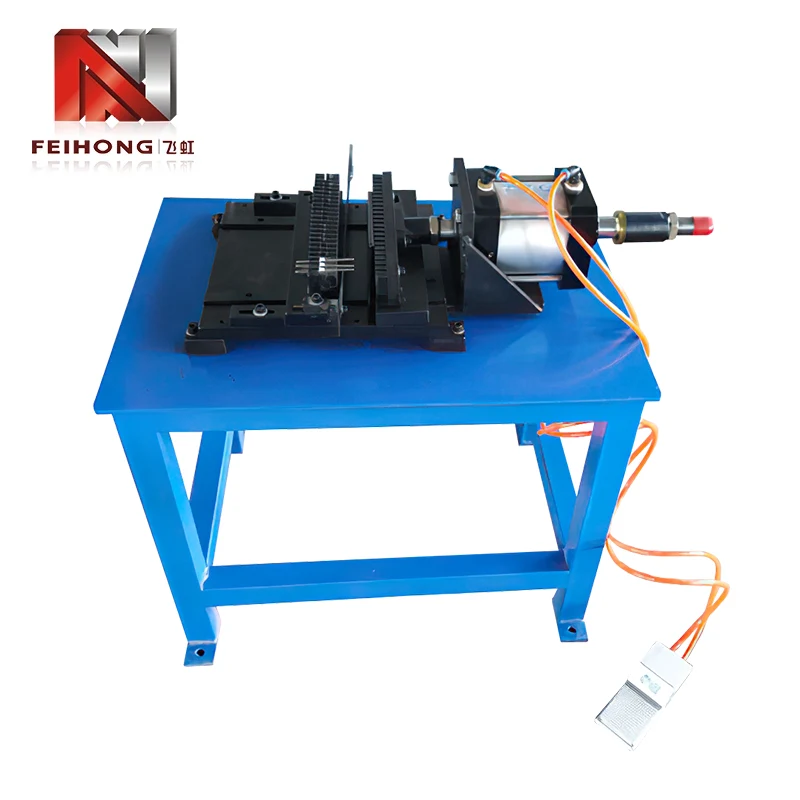
When selecting equipment for pipe threading operations, one of the most critical considerations is material compatibility. A Manual Cap Threading Machine is designed to deliver precision threading across a range of materials, but understanding its limitations and optimal applications is essential for achieving consistent results. Feihong, a trusted name in industrial threading solutions, manufactures Manual Cap Threading Machine units that balance durability with versatility, ensuring operators can work confidently across various projects.
Understanding Material Compatibility
A standard Manual Cap Threading Machine is engineered primarily for metals and select rigid plastics. The machine’s mechanical leverage, paired with interchangeable dies, determines which materials can be threaded cleanly without compromising thread integrity or tool longevity. Below is a detailed breakdown of compatible materials and their characteristics.
| Material Category | Specific Materials | Compatibility Level | Key Considerations |
|---|---|---|---|
| Metals | Mild steel, carbon steel, stainless steel (304, 316), brass, copper, aluminum | High | Requires appropriate cutting oil and die selection; stainless steel demands slower operation |
| Plastics | PVC, CPVC, ABS, PEX (rigid grades) | Moderate | Use sharp, dedicated dies; avoid excessive torque to prevent cracking |
| Exotic Alloys | Galvanized steel, alloy steel, monel | Limited | Higher wear on dies; frequent lubrication and slower feed rates recommended |
Key Factors Affecting Material Compatibility
Several variables influence whether a Manual Cap Threading Machine can handle a given material effectively:
-
Material Hardness: Softer metals like brass and aluminum thread easily, while harder materials such as stainless steel require greater force and premium dies.
-
Wall Thickness: Thin-walled tubing may deform under pressure; thicker walls provide better support for clean threads.
-
Die Quality: Feihong precision-ground dies ensure consistent thread profiles across diverse materials, reducing burrs and misalignment.
Best Practices for Threading Different Materials
To maximize performance and extend die life, operators should follow material-specific protocols when using a Manual Cap Threading Machine:
-
Mild Steel & Carbon Steel: Use high-quality cutting oil, maintain steady feed, and clean chips regularly.
-
Stainless Steel: Apply heavy-duty thread cutting oil, reduce cranking speed, and inspect dies frequently for wear.
-
Brass & Copper: Light lubrication suffices; ensure dies are sharp to avoid galling.
-
PVC & CPVC: Use dies specifically designed for plastics; avoid over-tightening during threading.
Manual Cap Threading Machine FAQ
Q: Can a standard Manual Cap Threading Machine thread stainless steel pipes without damaging the dies?
A: Yes, stainless steel can be threaded successfully, but it requires careful preparation. Use high-quality cutting oil specifically formulated for stainless alloys to reduce friction and heat. Operate the Manual Cap Threading Machine at a slower, consistent speed to prevent work hardening. Dies should be carbide-tipped or made from high-speed steel (HSS) with proper coatings. Regular die inspection is critical, as stainless steel accelerates wear compared to mild steel. Feihong offers reinforced die sets designed to handle stainless applications with extended service life.
Q: Are plastic pipes suitable for threading with a Manual Cap Threading Machine, and what precautions are necessary?
A: Yes, rigid plastics such as PVC, CPVC, and ABS can be threaded, but they require specific precautions. First, use dies manufactured specifically for plastic threading—these have sharper cutting edges and different rake angles to slice rather than tear the material. Apply minimal lubrication (often soap-based) to reduce friction without chemical degradation. Avoid applying excessive force, as plastic pipes can crack or split under high torque. For optimal results, ensure the pipe is securely clamped, and use a Manual Cap Threading Machine model with fine feed control, such as those offered by Feihong, to achieve clean, leak-proof threads.
Q: What maintenance steps are essential after threading abrasive materials like galvanized steel?
A: Threading galvanized steel introduces zinc particles that can accumulate on dies and moving components. After completing work with galvanized materials, disassemble the die head and clean all parts thoroughly with a wire brush and solvent to remove zinc residue. Inspect dies for any signs of dulling or chipping, and apply a light coat of anti-corrosion oil to all steel components. The Manual Cap Threading Machine’s ratchet mechanism and slide bars should also be wiped clean and lubricated. Feihong recommends scheduling die sharpening or replacement after every 100–150 galvanized steel threads to maintain precision and prevent cross-threading.
Why Choose Feihong for Manual Cap Threading Solutions
Feihong combines decades of engineering expertise with a commitment to operator-focused design. Each Manual Cap Threading Machine is built with high-strength components, precision-machined die heads, and ergonomic handles to reduce operator fatigue. Whether threading soft copper or demanding stainless steel, Feihong machines deliver consistent performance backed by rigorous quality standards.
Contact Us
Choosing the right Manual Cap Threading Machine for your specific material needs ensures efficiency, safety, and long-term reliability. If you have questions about material compatibility, die selection, or which model best suits your operations, contact Feihong today. Our technical team is ready to provide tailored recommendations and support to help you achieve precision results on every project.