

Why Are Crusher Machines Essential in Modern Industrial Operations?
2025-09-11
Crusher machines have become an indispensable part of modern industries, serving as a backbone for material processing across mining, construction, metallurgy, recycling, and infrastructure development. They are designed to reduce large raw materials—such as rocks, ores, concrete, and industrial byproducts—into smaller, manageable sizes. This reduction process not only simplifies transportation and handling but also enhances the efficiency of downstream operations like milling, smelting, and blending.
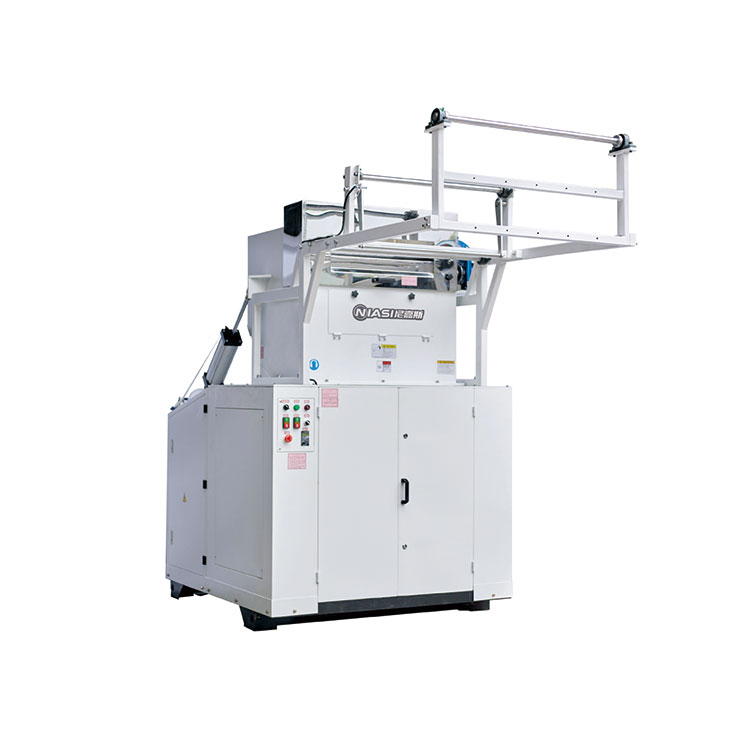
In the mining industry, crusher machines break down hard ores such as iron, copper, and gold, preparing them for further beneficiation. In construction, they convert bulky concrete or asphalt into reusable aggregates, supporting eco-friendly building practices. Waste management and recycling companies utilize crushers to process scrap metal, glass, and plastic into forms suitable for reuse, significantly reducing environmental burden.
The significance of crusher machines lies in their ability to bridge the gap between raw material extraction and product application. Without them, industries would face enormous logistical and financial challenges. From road building projects to power generation plants, crusher machines contribute to increased productivity, lower costs, and sustainable material cycles.
Moreover, their adaptability is one of the strongest reasons they continue to dominate industrial markets. Whether it is a jaw crusher designed for heavy-duty mining or an impact crusher optimized for recycling lightweight construction debris, each model addresses specific operational needs. The integration of modern automation and control systems has further advanced crusher machines, offering operators real-time monitoring, reduced downtime, and improved safety.
When evaluating crusher machines, industries focus heavily on their specifications. The right parameters ensure efficiency, durability, and cost-effectiveness. Below is a professional overview of common product parameters that buyers typically assess before investing:
| Parameter | Description |
|---|---|
| Type of Crusher | Jaw Crusher, Cone Crusher, Impact Crusher, Hammer Crusher, Roll Crusher |
| Feed Size Capacity | 100 mm – 1500 mm depending on model |
| Output Size Range | 0 – 80 mm adjustable for precise applications |
| Production Capacity | 10 – 3000 tons per hour depending on machine design |
| Motor Power | 30 kW – 500 kW ensuring energy efficiency |
| Material Applicability | Rock, ore, limestone, granite, concrete, asphalt, and recyclable materials |
| Crushing Ratio | Typically 4:1 to 10:1, indicating size reduction capability |
| Durability Features | Wear-resistant liners, heavy-duty bearings, hydraulic adjustment systems |
| Automation Options | PLC control, remote monitoring, and overload protection systems |
| Mobility Options | Stationary, skid-mounted, or fully mobile tracked versions |
Each specification serves a practical purpose. For example, feed size capacity determines whether the crusher can handle large blocks of stone from quarries or only pre-processed materials. Output size range allows companies to produce fine aggregates for concrete production or coarse fragments for road sub-bases. Production capacity ensures alignment with project demands, whether a small-scale recycling operation or a high-capacity mining site.
Additionally, advanced crusher machines integrate safety technologies such as hydraulic release systems to prevent damage when uncrushable materials enter the chamber. Energy efficiency is also a critical factor, with modern designs emphasizing reduced operational costs through optimized motor performance and intelligent energy management systems.
By evaluating these parameters, industries can match the right crusher machine to their operational goals, maximizing returns on investment while maintaining consistent product quality.
The modern industrial landscape is increasingly focused on efficiency and sustainability, and crusher machines play a direct role in achieving both. They not only streamline production but also reduce waste, promote recycling, and minimize environmental impact.
Efficiency Benefits
-
Enhanced Processing Speed: High-capacity crushers can process thousands of tons per hour, reducing project timelines.
-
Lower Operational Costs: Energy-efficient motors and intelligent automation cut down electricity consumption and labor requirements.
-
Improved Product Consistency: Adjustable output sizes ensure uniformity, which is crucial for construction aggregates and metallurgical processes.
-
Reduced Downtime: Advanced diagnostic and monitoring systems predict wear and mechanical issues before breakdowns occur.
Sustainability Advantages
-
Recycling and Waste Reduction: Crushers transform demolition debris into reusable aggregates, cutting landfill waste significantly.
-
Energy Optimization: By reducing the size of raw materials, crushers lower the energy required for subsequent grinding or smelting.
-
Material Reuse: Scrap metal, concrete, and asphalt processed by crushers re-enter production cycles, minimizing the demand for virgin materials.
-
Environmental Compliance: Many countries mandate recycling quotas, and crusher machines help industries meet regulatory standards effectively.
For instance, in urban construction projects, mobile crusher machines enable on-site crushing of old concrete structures. This eliminates transportation costs and emissions while providing immediate aggregate for new construction. In mining, crusher machines allow for selective ore processing, ensuring higher-grade material recovery with less waste.
The combination of operational efficiency and eco-friendly performance positions crusher machines as essential tools in industries striving for sustainable growth. Businesses that integrate these machines gain competitive advantages not only in productivity but also in corporate social responsibility.
Common Questions About Crusher Machines
Q1: What types of industries benefit the most from crusher machines?
A1: Crusher machines are widely used in industries such as mining, construction, road building, recycling, and metallurgy. Mining operations rely on them to break down ores before refining, while construction companies use them to recycle demolished concrete into usable aggregates. Recycling industries process glass, plastics, and metals into reusable forms, reducing environmental strain. Their adaptability ensures that nearly every sector dealing with bulk material processing benefits from their applications.
Q2: How can businesses choose the right crusher machine for their needs?
A2: Choosing the right crusher involves evaluating several factors: type of material to be processed, feed size, desired output size, production capacity, and mobility requirements. For example, jaw crushers are ideal for primary crushing of large, hard materials, while cone crushers are better suited for secondary or fine crushing. Mobile crushers are recommended for projects requiring flexibility and frequent relocation. Businesses should also consider energy efficiency, automation features, and long-term maintenance support. Consulting product specifications and matching them to project demands ensures the best investment outcome.
Crusher machines are at the core of modern industrial development, enabling companies to maximize productivity, reduce waste, and embrace sustainable practices. By understanding their role, technical parameters, and long-term advantages, businesses can make informed decisions that lead to higher efficiency and lower environmental impact.
As industries continue to demand reliable and advanced solutions, working with a trusted supplier becomes essential. Niasi stands as a dependable brand that delivers high-performance crusher machines designed for durability, efficiency, and sustainability. Whether your company requires stationary crushers for large-scale mining or mobile units for construction recycling, Niasi provides the expertise and technology to meet diverse needs.
For businesses ready to optimize their operations and embrace the future of industrial material processing, contact us today to explore tailored crusher machine solutions that align with your project goals.