The demand for high-quality construction blocks continues to grow as infrastructure projects, residential developments, and commercial buildings expand worldwide. Traditional manual production methods often struggle to meet modern requirements for speed, consistency, and cost control. A professional block production line provides manufacturers with a reliable solution by integrating material processing, molding, curing, and handling into one efficient system.
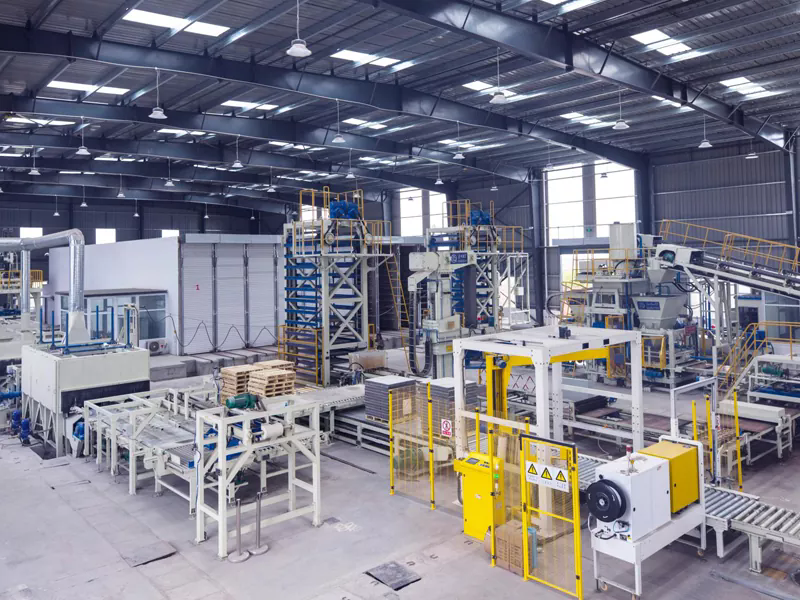
For companies that want to improve productivity while maintaining product quality, automation has become a critical investment. Xi'an Silver Horse focuses on providing advanced block production solutions that help manufacturers overcome common production challenges, including unstable output, excessive labor dependence, and inconsistent block strength.
|
Traditional Production Challenge
|
How a Modern Block Production Line Solves It
|
|
High labor costs and manual operation risks
|
Automated processes reduce manual intervention and improve operational efficiency.
|
|
Uneven block size and strength
|
Precision molding systems ensure stable product quality.
|
|
Low production capacity
|
Continuous production improves output and supports large-scale orders.
|
|
Material waste
|
Accurate batching and controlled processing reduce unnecessary consumption.
|
What Are the Main Components of a Block Production Line?
Understanding the structure of a block production line helps manufacturers choose the right equipment configuration. Although different projects may require customized designs, most complete systems include several essential sections working together.
-
Raw Material Processing System: This section prepares materials such as cement, aggregates, sand, and recycled materials to achieve the required mixture quality.
-
Automatic Batching System: Precise weighing and mixing control improve material consistency and reduce production errors.
-
Mixing Equipment: Advanced mixers ensure uniform distribution of materials, which directly affects block strength and durability.
-
Block Forming Machine: The molding unit applies vibration and pressure technology to create blocks with accurate dimensions.
-
Curing System: Proper curing conditions improve mechanical performance and extend the service life of finished blocks.
-
Stacking and Transportation Equipment: Automated handling systems improve workflow efficiency and reduce damage during movement.
Xi'an Silver Horse designs block production line solutions according to different production capacities, factory layouts, and customer requirements. This approach allows manufacturers to achieve better production efficiency without unnecessary equipment investment.
How Does a Block Production Line Work Step by Step?
A complete block production line follows a systematic workflow. Each stage plays an important role in ensuring that the final products meet construction standards and customer expectations.
-
Material Preparation: Raw materials are selected, measured, and prepared according to the production formula.
-
Automatic Mixing: The system combines different materials evenly to create a stable production mixture.
-
Molding Process: The mixed material enters the block machine where hydraulic pressure and vibration form precise block shapes.
-
Initial Setting: Newly produced blocks are transferred to a controlled environment for early strength development.
-
Curing Stage: Blocks complete the curing process to achieve the required hardness and durability.
-
Quality Inspection: Finished products are checked for dimensions, appearance, and structural performance.
-
Storage and Delivery: Qualified blocks are organized and prepared for transportation to construction sites.
By automating these procedures, manufacturers can maintain stable production quality while reducing production interruptions. A properly configured system also makes it easier to expand capacity when market demand increases.
What Advantages Can Businesses Gain from a Block Production Line?
Investing in a block production line brings long-term benefits beyond simply increasing output. Manufacturers can improve their overall competitiveness through better resource management and operational reliability.
|
Advantage
|
Business Benefit
|
|
Higher production efficiency
|
Manufacturers can complete larger orders within shorter production cycles.
|
|
Stable product quality
|
Automatic control reduces variations between different batches.
|
|
Lower operating costs
|
Reduced labor requirements and improved material utilization help control expenses.
|
|
Flexible production capability
|
Different molds allow manufacturers to produce various block types.
|
|
Environmental benefits
|
Efficient material usage supports sustainable manufacturing practices.
|
For companies entering the construction material industry or upgrading existing factories, selecting a suitable block production line can significantly influence future profitability and market competitiveness.
How Can You Choose the Right Block Production Line for Your Factory?
Selecting suitable equipment requires careful consideration of production goals, available space, material conditions, and future expansion plans. Purchasing a system without proper evaluation may lead to unnecessary costs or limited production performance.
-
Define Production Capacity: Determine daily or annual output requirements before selecting equipment specifications.
-
Evaluate Product Types: Different blocks may require different molds, pressures, and production configurations.
-
Consider Factory Layout: Equipment arrangement should support smooth material flow and convenient maintenance.
-
Check Automation Level: Higher automation can improve efficiency but should match actual operational needs.
-
Review Supplier Experience: A professional manufacturer can provide technical support, installation guidance, and customized solutions.
Xi'an Silver Horse works closely with customers to analyze production requirements and provide practical block production line configurations. From equipment selection to system optimization, professional support helps customers achieve reliable long-term operation.
How Can You Maintain a Block Production Line for Long-Term Performance?
Regular maintenance is essential for keeping a block production line operating efficiently. Even high-quality equipment requires proper inspection and care to prevent unexpected downtime and extend service life.
A practical maintenance program should include routine checks, component replacement, system cleaning, and performance monitoring. Manufacturers that pay attention to preventive maintenance can reduce repair costs and maintain consistent production quality.
|
Maintenance Item
|
Recommended Action
|
|
Hydraulic system
|
Check oil quality, pressure stability, and possible leakage regularly.
|
|
Vibration components
|
Inspect vibration performance and tighten related connections when necessary.
|
|
Electrical control system
|
Review sensors, wiring, and control panels to ensure stable operation.
|
|
Molds and forming parts
|
Clean regularly and replace worn components to maintain block accuracy.
|
|
Material feeding system
|
Remove accumulated materials and check transportation efficiency.
|
Xi'an Silver Horse understands that equipment reliability directly affects production profitability. Therefore, providing durable machinery and supporting customers with professional service are important parts of creating successful block manufacturing projects.
How Is Block Production Technology Developing in the Future?
The construction industry is continuously moving toward smarter, more efficient, and more sustainable manufacturing methods. Block production lines are also evolving with improvements in automation, digital control, and resource utilization.
Future production systems are expected to focus on intelligent monitoring, energy efficiency, and flexible manufacturing. Digital technologies can help operators analyze production data, identify potential problems, and improve overall equipment performance.
-
Higher Automation: More processes will become automatically controlled, reducing dependence on manual operation.
-
Smart Monitoring: Real-time data collection will help improve production management and maintenance planning.
-
Energy Optimization: Advanced equipment designs will reduce power consumption while maintaining output.
-
Sustainable Manufacturing: More factories will use recycled materials and environmentally responsible production methods.
Companies that invest in modern block production technology can better prepare for future market requirements and maintain stronger competitiveness in the construction materials sector.
Block Production Line vs Traditional Block Manufacturing Methods
Many manufacturers compare automated production systems with traditional manual or semi-automatic methods before making investment decisions. Understanding the differences helps businesses select the most suitable approach.
|
Comparison Factor
|
Block Production Line
|
Traditional Manufacturing
|
|
Production Speed
|
High and continuous output
|
Limited by manual operation
|
|
Product Consistency
|
Stable dimensions and strength
|
More variations between batches
|
|
Labor Requirement
|
Lower dependence on workers
|
Requires more manual involvement
|
|
Cost Control
|
Better long-term efficiency
|
Higher operating costs over time
|
|
Expansion Capability
|
Suitable for large-scale production
|
Difficult to increase capacity quickly
|
Frequently Asked Questions About Block Production Line
Q1: What materials can be used in a block production line?
A: A block production line can process various materials, including cement, sand, aggregates, industrial by-products, and some recycled materials. The exact material formula depends on the required block performance.
Q2: How long does a block production line usually operate?
A: With proper maintenance and correct operation, a high-quality production line can provide reliable service for many years. Regular inspection and timely replacement of worn parts are essential.
Q3: Can a block production line produce different block sizes?
A: Yes. By changing molds and adjusting production parameters, manufacturers can produce different block designs to meet various construction applications.
Q4: Is an automatic block production line difficult to operate?
A: Modern systems are designed with user-friendly control interfaces. After installation and training, operators can manage production processes efficiently.
Q5: Why choose Xi'an Silver Horse for block production solutions?
A: Xi'an Silver Horse provides professional block production line solutions with attention to equipment quality, production efficiency, and customer-specific requirements. The company focuses on helping customers achieve stable and profitable manufacturing operations.
Conclusion: Build a More Efficient Future with the Right Block Production Line
A modern block production line is more than a collection of machines. It is a complete manufacturing solution that helps businesses improve productivity, maintain product quality, reduce operating challenges, and respond to growing market demand.
From raw material preparation and automatic molding to curing and final handling, every stage contributes to efficient block manufacturing. Choosing reliable equipment and an experienced supplier can make a significant difference in long-term production performance.
Xi'an Silver Horse continues to provide advanced solutions for customers seeking dependable block manufacturing technology. With professional engineering support and customized production systems, businesses can achieve higher efficiency and stronger market competitiveness.
Looking for a reliable block production line solution for your project? Contact Xi'an Silver Horse today and contact us to discuss your customized manufacturing requirements.