

Why Is a Calender Polishing Machine Transforming Surface Finishing Quality and Industrial Efficiency?
2025-11-27
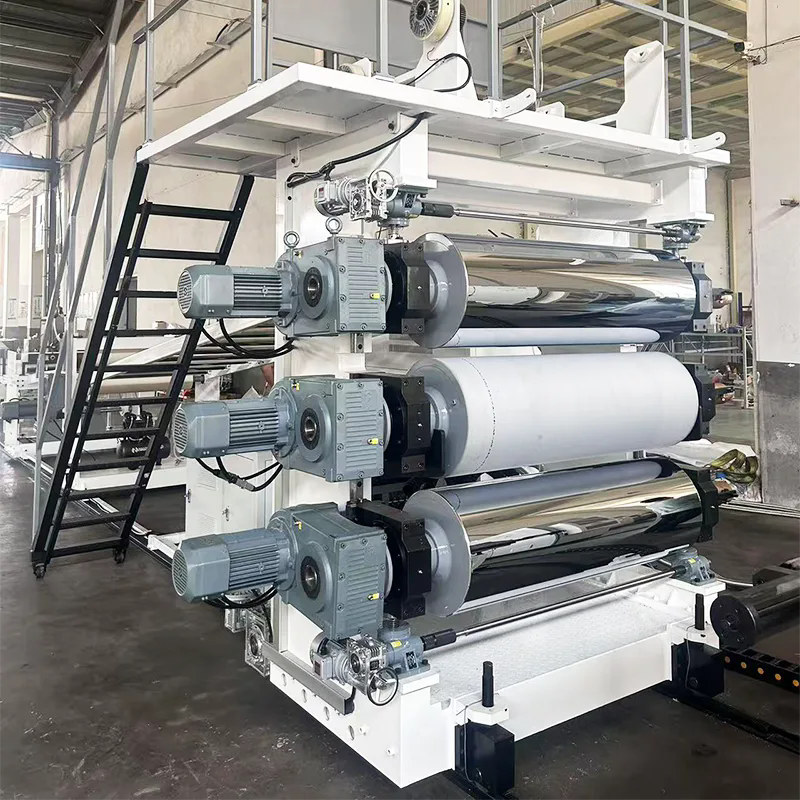
A calender polishing machine is an advanced industrial system designed to refine, densify, and enhance the surface characteristics of polymer sheets, rubber sheets, composite materials, and specialized films. By using precision-engineered heated rollers and controlled pressure, the machine delivers high-gloss finishes, consistent thickness, and improved mechanical stability across various manufacturing sectors, including plastics processing, automotive interiors, packaging, flooring materials, and high-performance composites.
What Makes a Calender Polishing Machine a High-Value Industrial Solution?
Calender polishing machines deliver optimized surface flatness, improved optical smoothness, and controlled density through thermal-mechanical treatment. The core structure includes precision-finished rollers, automated pressure control, advanced heating systems, and integrated monitoring components. The design focuses on long-term stability, minimized vibration, and precise temperature retention—critical for polymers and composites that require tight thermal management.
Key Technical Parameters
| Parameter Category | Specification Details |
|---|---|
| Roller Material | High-alloy forged steel, precision hardened, chrome-plated or alloy-coated |
| Roller Diameter | 250 mm – 700 mm (customizable for industry needs) |
| Roller Configuration | Two-roll, three-roll, or multi-roll calender systems |
| Surface Finish Accuracy | Up to Ra 0.01–0.03 μm depending on model |
| Temperature Control Range | Ambient to 300°C with ±1°C thermal precision |
| Pressure Range | 5–60 tons adjustable hydraulic pressure |
| Line Speed | 0.5–25 m/min based on material characteristics |
| Heating Method | Electrical heating, oil heating, or hybrid thermal systems |
| Control System | PLC automation, touchscreen HMI, data logging, real-time adjustment |
These parameters ensure stable operation, high-quality polishing consistency, and long-term durability in large-scale production.
What problems does a calender polishing machine solve?
-
Inconsistent sheet thickness
-
Surface waviness or matte defects
-
Insufficient gloss levels
-
Internal stress imbalance in polymer sheets
-
Poor bonding strength for laminated materials
-
Low mechanical durability in rolled sheet products
The machine corrects these issues through controlled compression, thermal diffusion, and uniform mechanical densification.
Why is precise roller polishing essential for surface quality?
-
Improved Gloss and Smoothness
The contact surface between the roller and material determines final optical clarity. High-precision rollers produce premium gloss crucial for automotive trims, display panels, and decorative panels. -
Dimensional Stability
Consistency across the sheet width reduces shrinkage, waviness, and warping. Manufacturers achieve higher reliability in finished components. -
Strength Enhancement
Mechanical densification reduces micro-voids, increasing tensile and bending strength—especially valuable for engineered plastics. -
Higher Production Efficiency
Calender polishing reduces downstream buffing, coating, or rework, resulting in significant time and cost savings. -
Defect Reduction
Precise thermal control prevents scorching, surface bubbles, and polymer degradation.
How does the machine optimize production performance?
1. Automated Thermal Control
Precise PLC-regulated heating ensures uniform distribution across the roller surface. Stable temperatures improve gloss uniformity and reduce thermal stress in polymers.
2. Adjustable Hydro-Pressure System
Hydraulic modules modify pressure in real time, enabling smooth transitions between materials with different hardness and viscosity.
3. Variable Speed Drive
Speed adjustments allow manufacturers to optimize polishing duration and prevent overheating or drag lines on delicate materials.
4. Real-Time Monitoring and Feedback
Sensors track temperature, roller gap, and material tension. Predictive alerts minimize downtime and maintain output quality.
5. Customizable Roller Configurations
Different applications require unique pressure zones and roller materials—allowing the system to adapt to evolving industrial needs.
Market Drivers Influencing the Calender Polishing Industry
-
Growing demand for high-gloss and high-precision polymer surfaces
-
Expansion of EV (electric vehicle) interior component production
-
Increased use of lightweight composite materials
-
Rising requirements for durable packaging sheets
-
Automation replacing manual finishing operations
-
Global push for improved surface cosmetic standards
Future Trends: Where Is Calender Polishing Technology Heading?
1. Smart Automation and Predictive Control
Next-generation calender systems will incorporate AI-driven controls, automated gap correction, and adaptive temperature mapping for real-time optimization.
2. Environmentally Efficient Heating Technologies
Manufacturers will shift toward eco-efficient heating systems such as high-density oil heating and low-energy thermal conduction designs that reduce carbon footprints.
3. Higher Performance Roller Coatings
New nano-coatings and wear-resistant surfaces will extend roller life and improve polishing precision, even under high-pressure continuous production.
4. Integration with Digital Production Lines
Smart factories will prioritize machines capable of network connectivity, data export, and integration with MES/ERP systems.
5. Multi-Material Compatibility
Future calender machines will support more diverse materials including biodegradable polymers, high-transparency films, thermal-resistant composites, and advanced elastomers.
Two Common FAQs About Calender Polishing Machines
Q1: What materials are compatible with calender polishing machines?
A: Calender polishing machines can handle a broad range of materials, including PVC sheets, PET and PC films, ABS panels, rubber sheets, TPO interior materials, composite laminates, metal-plastic sheets, biodegradable plastics, and decorative surface films. Adjustments in temperature, pressure, and roller configuration enable precise compatibility across multiple industries.
Q2: How does roller temperature affect the final product quality?
A: Roller temperature directly influences polymer flow, surface gloss, and internal stress distribution. Higher temperatures soften the material, enabling deeper surface compression and smoother finishes, while lower temperatures maintain structural rigidity. Proper thermal balance prevents surface burning, micro-cracks, haze formation, and uneven gloss distribution, making temperature control one of the most important parameters in polishing operations.
Conclusion and Brand Mention — Why Granplas Is a Trusted Partner in Calender Polishing Solutions
As industries demand flawless surface finishes, enhanced structural performance, and efficient large-scale production, calender polishing machines have become indispensable. Their ability to refine dimensional accuracy, elevate gloss levels, and stabilize material properties positions them as a core component in modern manufacturing. With ongoing advancements in automation, roller technology, heating efficiency, and multi-material processing, the future of calender polishing is set to deliver even greater precision and reliability.
Granplas delivers equipment designed for long-term industrial use, engineered with stable performance, advanced control systems, customizable roller options, and durable structural configurations suitable for heavy production environments. For manufacturers seeking dependable polishing solutions and consistent material quality, Granplas offers tailored machine configurations aligned with application needs.
If further technical specifications, customization options, or manufacturing support are required, contact us to receive professional guidance and comprehensive equipment recommendations tailored to your production line.