

Why Is a Quenching Furnace Oil Fume Purification System Essential for Heat Treatment Plants
2026-10-14
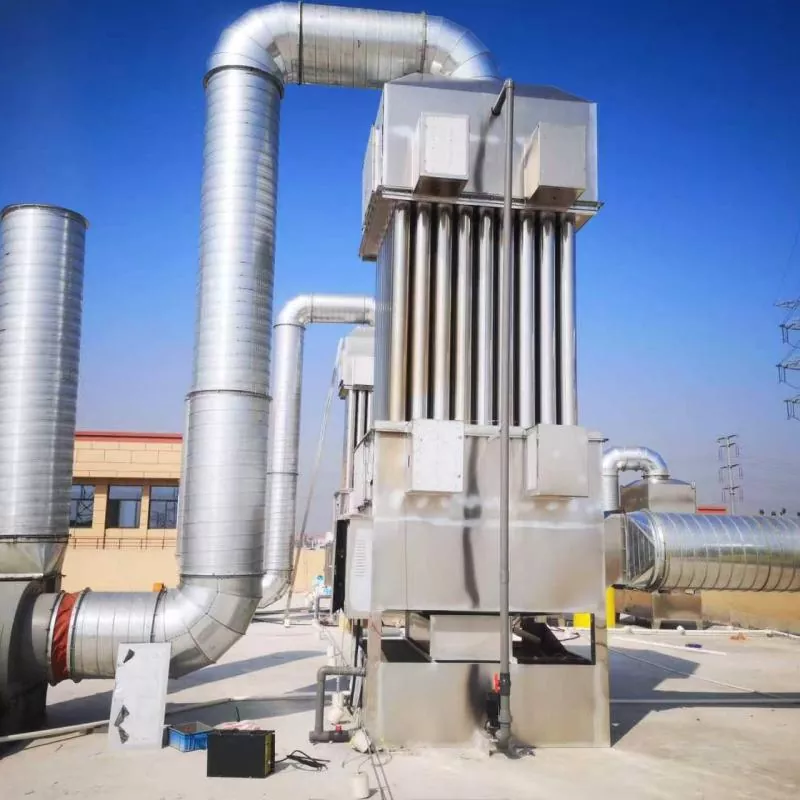
Heat treatment plants operate under intense pressure to balance production efficiency with environmental responsibility. Every quenching cycle releases oil mist, volatile organic compounds (VOCs), and fine particulate matter that threaten worker health, equipment longevity, and regulatory compliance. A Quenching Furnace Oil Fume Purification System from DeFa directly addresses these challenges by capturing and treating emissions at the source, transforming a costly liability into a controlled, compliant process.
The Hidden Costs of Untreated Quenching Emissions
Oil fume generated during quenching is not merely an odor nuisance. It contains carcinogenic polycyclic aromatic hydrocarbons (PAHs), sticky oil aerosols, and carbonaceous particles that deposit on ventilation ducts, electrical panels, and roof structures. Over time, these deposits create fire hazards, corrode expensive furnace components, and trigger respiratory illness among operators.
DeFa engineers have documented the following operational impacts across hundreds of heat treatment facilities:
| Problem Area | Without Purification | With DeFa Quenching Furnace Oil Fume Purification System |
|---|---|---|
| Air quality compliance | Frequent violations, fines | Consistently meets GB 16297 and ISO 14001 |
| Fire risk | High (oil accumulation in ducts) | Reduced by over 90% |
| Maintenance cost | $8,000–$15,000/year per furnace | $1,500–$3,000/year |
| Worker absenteeism | Elevated due to respiratory issues | Near industry baseline |
| Neighbor complaints | Common | Virtually eliminated |
Core Technologies Behind Effective Oil Fume Treatment
A Quenching Furnace Oil Fume Purification System must handle three contaminant phases simultaneously: mist, vapor, and fine particles. DeFa integrates multiple stages to achieve 95–99% removal efficiency.
-
Mechanical Separation: Cyclone and baffle plates remove large oil droplets above 10 microns.
-
Electrostatic Precipitation: High-voltage electrodes ionize and collect sub-micron particles and VOCs.
-
Media Filtration: Activated carbon and HEPA filters polish residual odors and fine aerosols.
-
Self-Cleaning Cycles: Automated thermal or chemical cleaning prevents filter saturation and maintains airflow.
This multi-stage approach ensures that exhaust air meets both indoor workplace standards and outdoor emission limits, regardless of quenching oil type or production intensity.
Regulatory and Safety Advantages
Environmental authorities increasingly target heat treatment operations under clean air legislation. Installing a Quenching Furnace Oil Fume Purification System demonstrates due diligence and provides documented emission data for audits. DeFa systems include real-time monitoring for pressure drop, temperature, and particulate concentration, enabling predictive maintenance and immediate fault alerts.
From a safety perspective, removing oil mist from the airstream eliminates the primary fuel source for duct fires. Many insurance providers now offer reduced premiums for facilities equipped with certified purification technology.
Frequently Asked Questions
What is a Quenching Furnace Oil Fume Purification System and how does it work?
A Quenching Furnace Oil Fume Purification System is an engineered exhaust treatment unit that captures oil mist, vapor, and particulate matter released during quenching. It typically combines mechanical separation, electrostatic precipitation, and filtration to remove contaminants before air is discharged or recirculated.
How often does a Quenching Furnace Oil Fume Purification System require maintenance?
Maintenance frequency depends on production hours and oil volatility, but most DeFa systems need filter inspection every 2–4 weeks, electrostatic cell cleaning every 4–8 weeks, and comprehensive servicing every 6–12 months to sustain peak efficiency.
Can a Quenching Furnace Oil Fume Purification System be retrofitted to an existing furnace line?
Yes. DeFa designs modular purification units that integrate with existing hoods, ducts, and exhaust fans. Retrofit installations typically require 2–5 days of downtime and can be phased to avoid production interruptions.
Why DeFa Leads in Quenching Fume Control
DeFa has specialized in industrial air purification for over two decades, with more than 3,000 installations across automotive, aerospace, and tooling heat treatment plants. Every Quenching Furnace Oil Fume Purification System is custom-sized using CFD modeling, ensuring optimal capture velocity and pressure balance. The company provides turnkey service from site assessment to commissioning and long-term maintenance contracts.
Contact us today to schedule a free emission assessment and discover how a DeFa Quenching Furnace Oil Fume Purification System can reduce your operating costs, protect your workforce, and keep your plant fully compliant.