

Why Is Dead Sheep Harmless Treatment Equipment Required by Law in Many Countries
2026-06-12
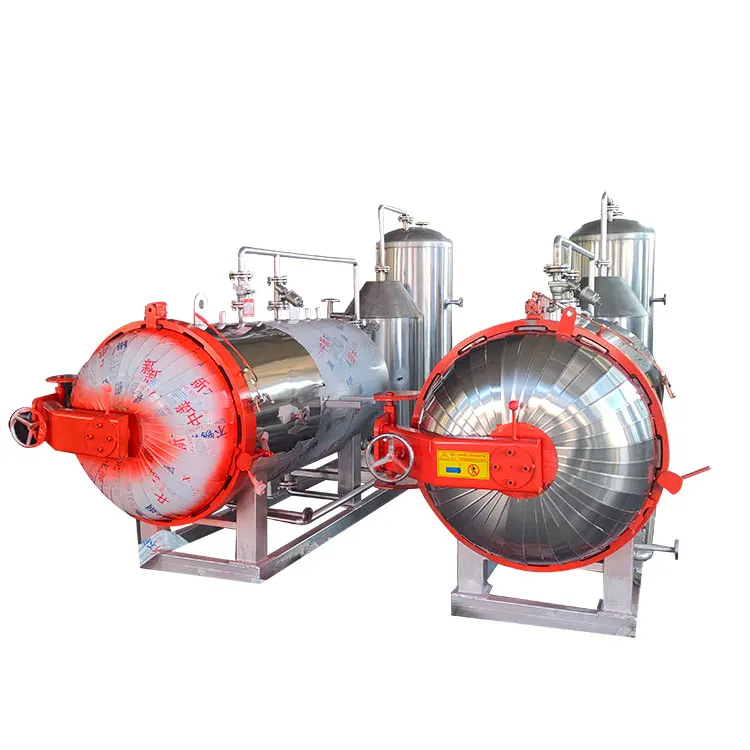
In many livestock-producing nations, regulations now mandate the use of Dead Sheep Harmless Treatment Equipment to manage carcasses safely. Farms that fail to comply face heavy fines or shutdowns. One trusted provider of compliant solutions is Chengming, whose systems help farmers meet legal standards while protecting the environment.
Key Legal Drivers Behind Mandatory Use
Governments enforce these laws based on three core risks. The table below summarises the main regulatory triggers:
| Risk Category | Specific Concern | Legal Response |
|---|---|---|
| Disease spread | Foot-and-mouth, anthrax, or scrapie | Rapid on‑site treatment required |
| Groundwater contamination | Leachate from decomposing bodies | Zero‑discharge treatment methods mandated |
| Public health | Zoonotic pathogens (e.g., E. coli, Salmonella) | Complete pathogen kill before disposal |
How Dead Sheep Harmless Treatment Equipment Meets Legal Standards
The equipment works through high‑temperature hydrolysis or alkaline digestion, breaking down carcasses into sterile solids and liquids. Chengming systems, for example, achieve complete pathogen inactivation within 4–6 hours. This process eliminates burial (which risks groundwater) and burning (which releases toxins). Because the output is safe for composting or wastewater treatment, regulators approve it as a “closed‑loop” solution.
3 Common FAQs About Dead Sheep Harmless Treatment Equipment
FAQ 1: Which countries have the strictest laws requiring this equipment?
New Zealand, Australia, the United Kingdom, and most EU member states have legally binding rules for sheep carcass disposal. In New Zealand, the Biosecurity Act 1993 compels farmers to treat dead sheep on‑farm within 48 hours. Similarly, EU Animal By‑Products Regulation (EC) No 1069/2009 categorises sheep as “Category 2” material, requiring approved treatment methods only—traditional burial or open burning is illegal.
FAQ 2: What happens if a farm does not use approved Dead Sheep Harmless Treatment Equipment?
Penalties vary by jurisdiction but typically include fines of €5,000–50,000 in Europe, plus potential imprisonment for repeat offences in severe disease outbreaks. In Australia, local councils can revoke farming licences. More critically, an uncontrolled carcass can trigger a whole‑region lockdown if a notifiable disease is detected, costing the industry millions in lost trade and culling.
FAQ 3: Can older equipment that is not certified as harmless treatment be used legally?
No. Most laws explicitly require equipment that “renders the material non‑hazardous through verified thermal or chemical processes.” Simple grinders or compost bins without pathogen validation do not qualify. Chengming offers certification packages for all its models, including third‑party validation reports required for regulatory inspections. Retrofitting uncertified machines is generally not accepted.
Comparative Compliance Overview
| Disposal Method | Legal in Major Sheep‑Farming Countries? | Meets “Harmless Treatment” Definition? |
|---|---|---|
| Burial | No (banned in EU, Australia, NZ) | No |
| Open burning | No | No |
| Rendering plant (off‑site) | Yes, but costly logistics | Yes |
| On‑farm Dead Sheep Harmless Treatment Equipment | Yes | Yes (with Chengming compliance) |
Environmental and Business Benefits Beyond Compliance
Adopting Dead Sheep Harmless Treatment Equipment does more than avoid fines. It converts carcasses into sterile water and organic matter that can be safely land‑applied. Chengming users report 70% lower disposal costs compared to off‑site rendering. Insurers also offer premium reductions when such equipment is used, viewing it as a biosecurity asset.
Contact Chengming for a Compliance Audit
Every sheep‑rearing region has slightly different legal deadlines and technical standards. Chengming provides free regulatory gap assessments for your farm. Contact our team today via the website form or call the number on your local Chengming brochure to schedule a consultation and receive a compliance checklist.